Chemical Warfare on Keratin: The Molecular Mechanics of How Fragrances Destroy Your Hair
Fragrance damage to hair accumulates so slowly that it is usually blamed on weather or heat styling. This guide breaks down the actual molecular mechanics, from the stripped lipid shield to oxidized cortex proteins, showing how synthetic and natural fragrances quietly dismantle the hair shaft, scalp barrier, and follicle.
Fragrance Free Nation
· 8 min read
In this guide
While fragrance formulations in hair mists, styling products, and shampoos are designed to mask baseline chemical odors and provide an appealing sensory experience, they act as silent, chronic degraders of hair structure. Because fragrance damage accumulates slowly, its effects, such as mid-shaft breakage, split ends, and chronic dryness, are frequently misattributed to environmental weathering or heat styling.
The scientific mechanisms below explain exactly how synthetic and natural fragrances systematically dismantle the hair shaft, scalp barrier, and follicular integrity from the inside out.
1. Stripping the F-Layer: The Destruction of Hair's Hydrophobic Shield
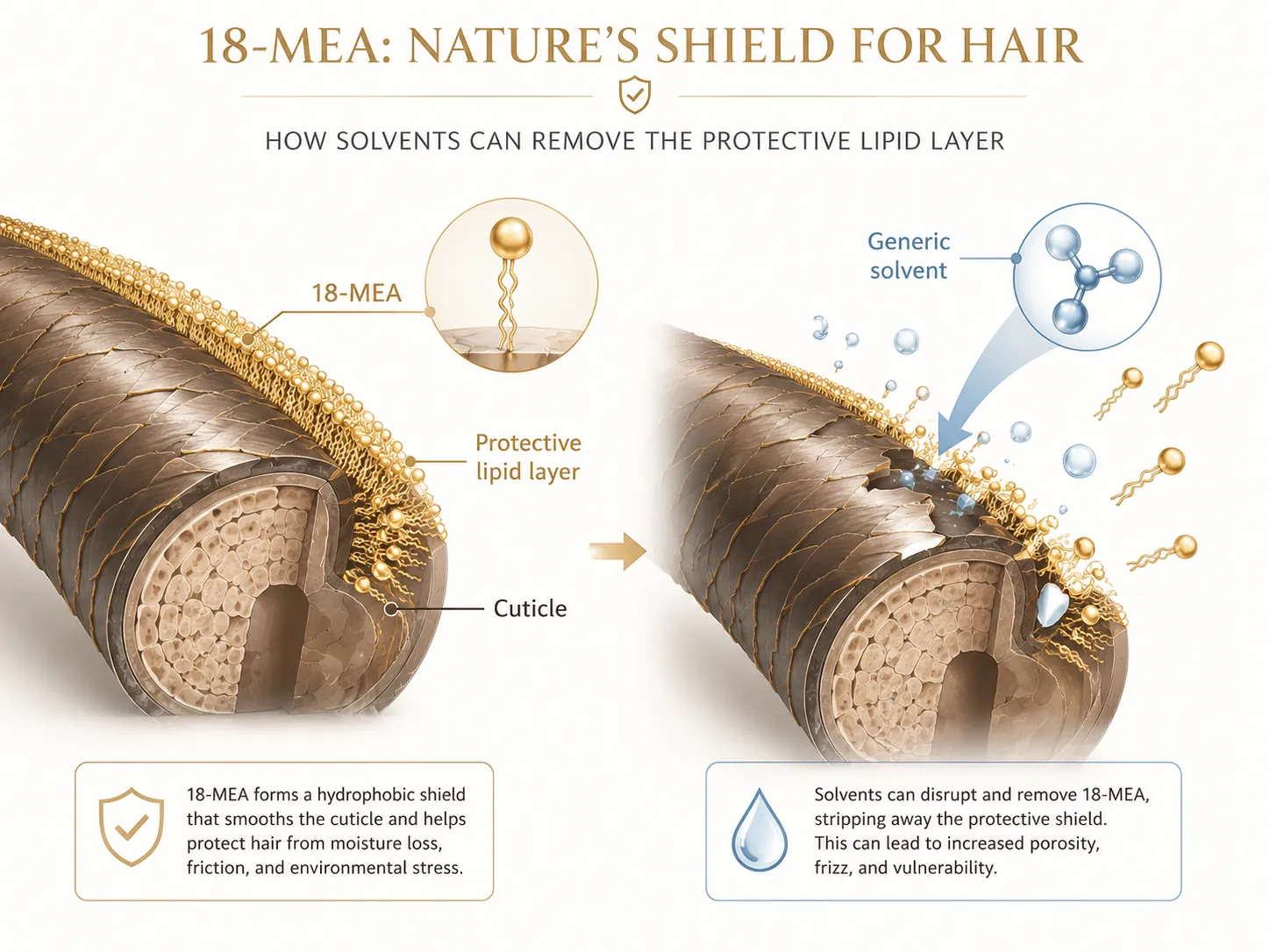
Figure 1: Cuticle structure and the chemical removal of the 18-MEA hydrophobic barrier by short-chain solvents.
Every healthy hair fiber is wrapped in a protective, natural moisture barrier known as the epicuticle. The outermost monolayer of the epicuticle is the F-layer, which is made of a unique branched-chain fatty acid called 18-methyleicosanoic acid (18-MEA). Covalently bound to the cuticle by ester or thioester linkages, 18-MEA serves as a boundary lubricant that keeps hair hydrophobic, minimizes static charge, prevents water-driven swelling (hygral fatigue), and ensures fiber alignment.
Fragrances destroy this critical shield through their delivery vehicles:
Solvent Extraction: Volatile, short-chain polar alcohols, such as ethanol, propanol, and isopropyl alcohol, are used in fragrance mists and sprays to ensure quick drying. These solvents solubilize and strip away the free lipids of the cell membrane complex.
Covalent Cleavage: These polar solvents hydrolytically cleave the fragile covalent bonds anchoring the 18-MEA monolayer to the cuticle.
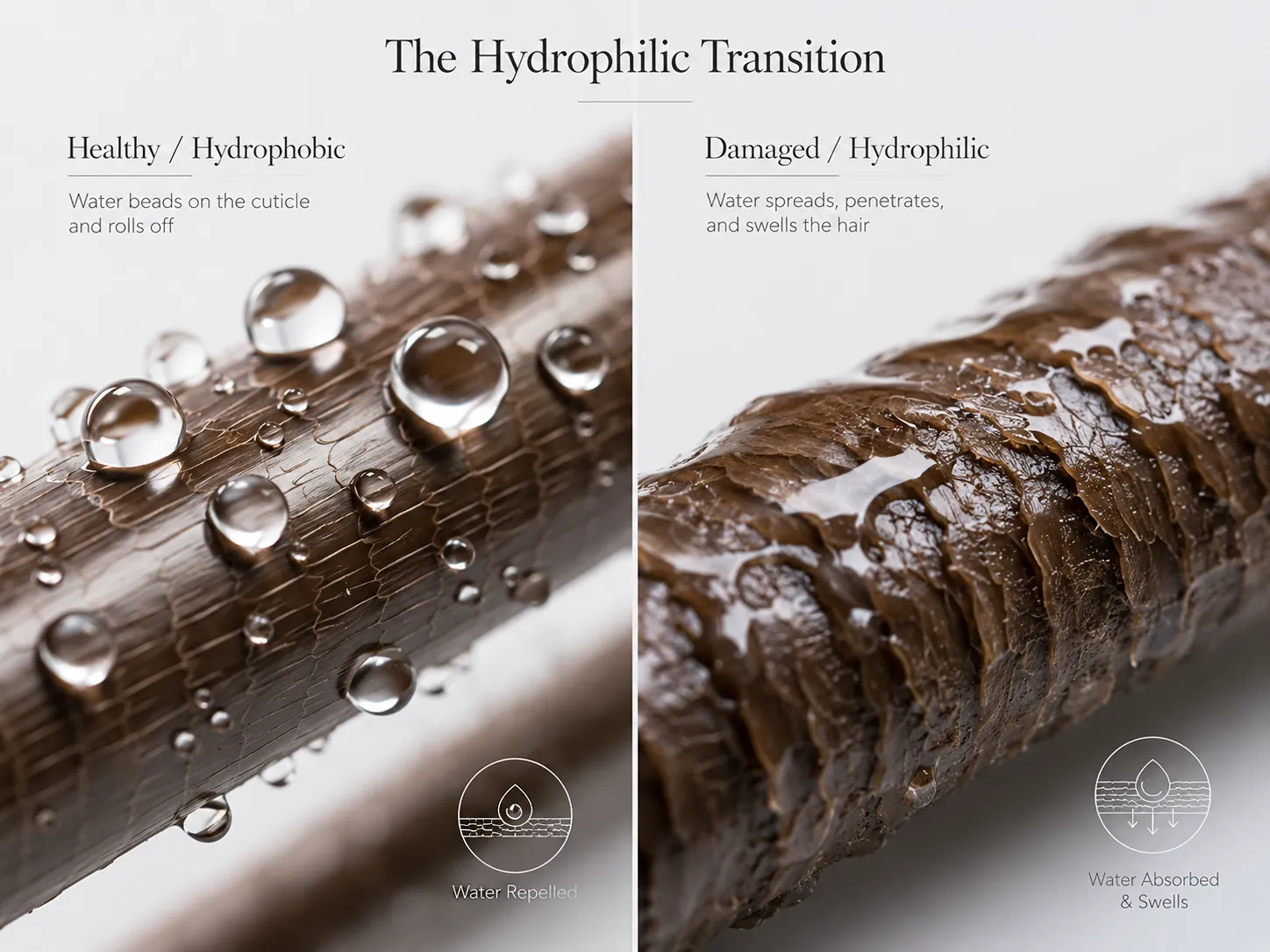
Figure 2: The Hydrophilic Transition, comparing water repelling off a healthy, hydrophobic cuticle versus water absorbing and swelling a damaged, hydrophilic cuticle.
The Hydrophilic Transition: Once 18-MEA is removed, the hair shaft transitions from hydrophobic to hydrophilic. Without this lipid layer, hair fibers absorb water uncontrollably, swell, and experience friction. Upon drying, the fibers form thick, tangled, and disorderly bundles rather than smooth, parallel alignments.
The Regrowth Rule: Because the hair shaft contains no living cells, it cannot regenerate this lipid barrier on its own. Conditioning agents can mimic its behavior temporarily, but fully restoring it means growing out the damaged length.
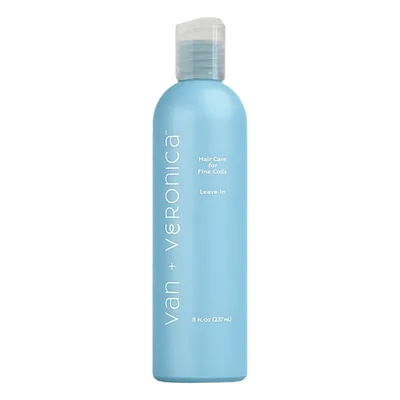
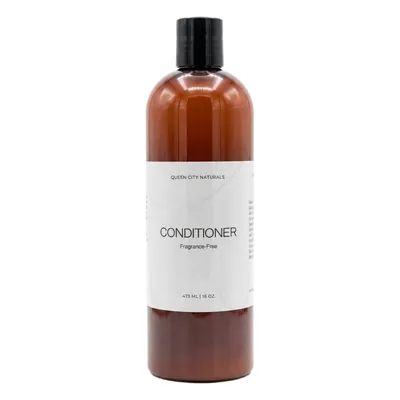
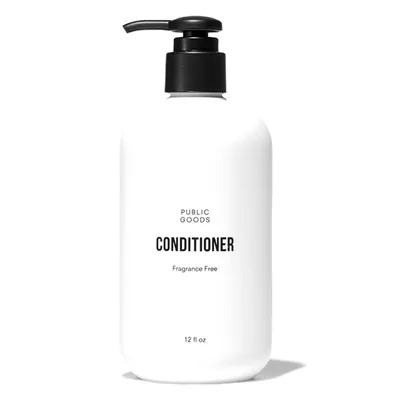
From independent fragrance-free shops
Picked for this guide, straight from independent makers. Every shop meets the FFN Standard and is tested by our team.
2. Protein Carbonylation: The Photochemical Attack on the Cortex
Below the cuticle lies the cortex, which makes up roughly 80% of the hair's structure and contains the nested keratin intermediate filaments responsible for the hair's mechanical strength and elasticity. Fragrance compounds do not just sit passively on the cuticle; they actively accelerate the photochemical and oxidative destruction of these internal cortical proteins.
Figure 3: Microscopic visualization of UV-induced photosensitization occurring directly along the hair fiber.
Photosensitization: Ubiquitous fragrance ingredients, including monoterpenes (such as limonene, linalool, and citral) and synthetic musks, act as photosensitizers. When exposed to sunlight (UV radiation) or styling heat, these molecules undergo Type-I and Type-II photosensitization pathways, generating a localized cloud of reactive oxygen species (ROS).
Protein Carbonylation: This localized oxidative stress initiates protein carbonylation, a highly sensitive molecular marker of irreversible oxidative damage. The ROS attack the peptide backbones and target amino acids such as proline, threonine, arginine, lysine, and cysteine.
Disulfide Disruption: Cysteine residues, which form the disulfide bridges that give hair its tensile strength, are oxidized into cysteic acid and dehydroalanine. This disrupts the structural domains of the cortex's keratin proteins, leading to micro-cavities within the fiber, severe brittleness, and eventual breakage.
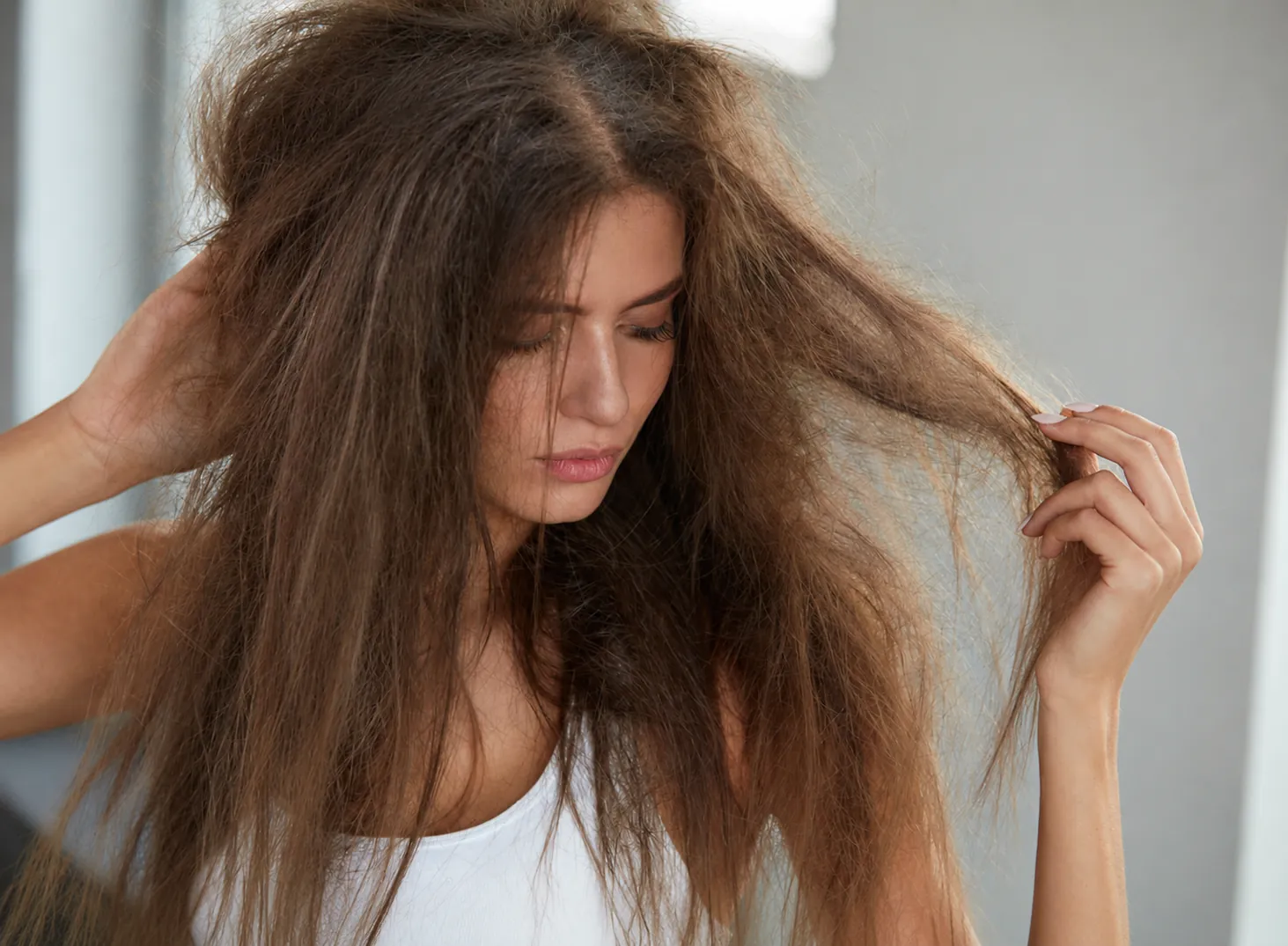
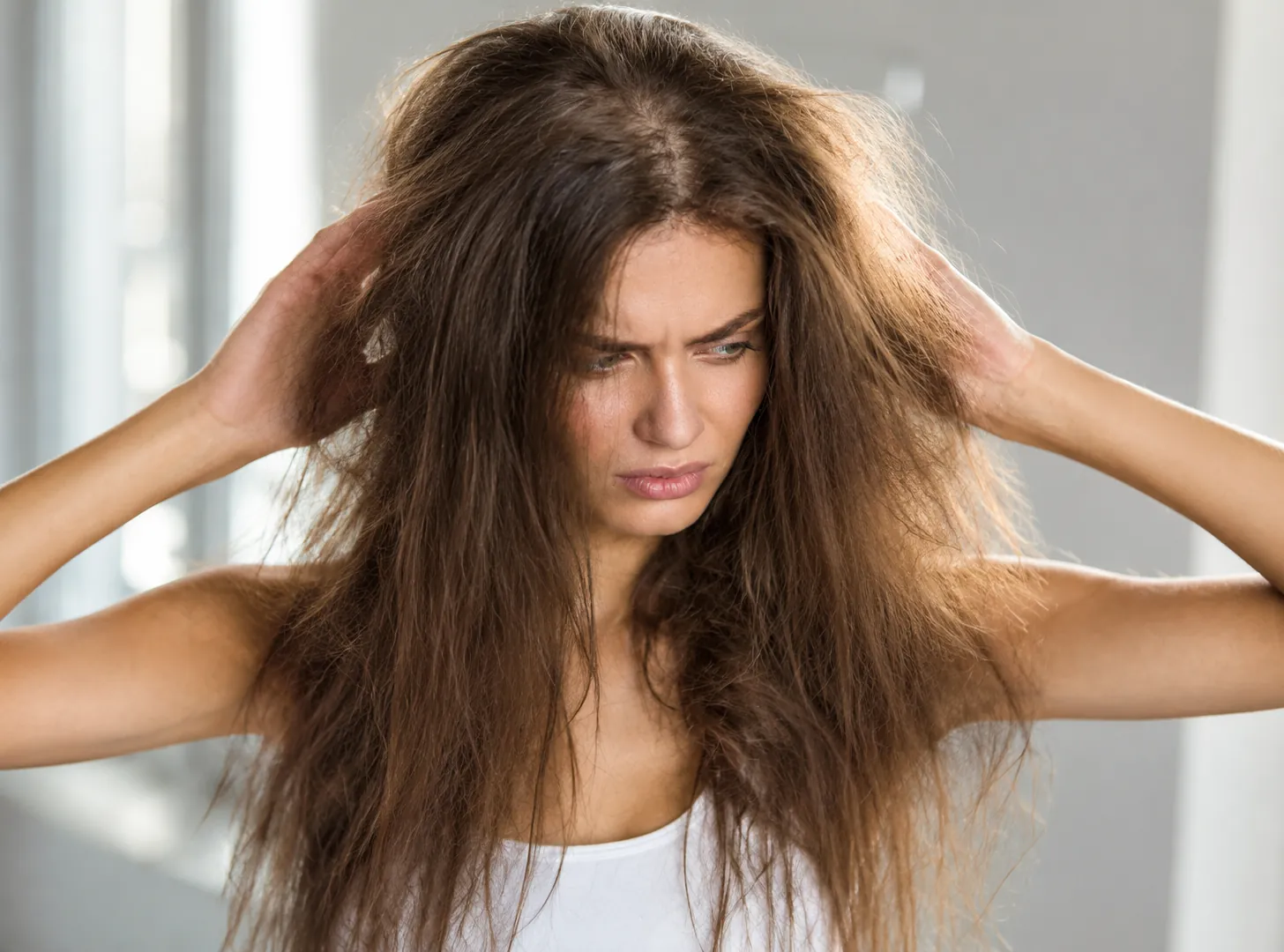
Figure 4: Macro manifestation of cortical structural failure, including persistent dryness, unmanageable frizz, and mid-shaft brittleness.
3. The Scent-Preservation Cycle: Silicones and Surfactants
To keep fragrances smelling fresh and to temporarily mask the dryness caused by alcohol vehicles, manufacturers frequently formulate scented hair products with non-polar synthetic silicones (such as dimethicone, cyclomethicone, or cyclopentasiloxane). This creates a damaging chemical cycle:
The Occlusive Silicone Trap: These synthetic polymers coat the damaged, 18-MEA-depleted hair shaft in a water-insoluble film. While this artificially restores shine, it seals the cuticles and prevents external hydration from entering the hair, dehydrating the underlying cortex over time.
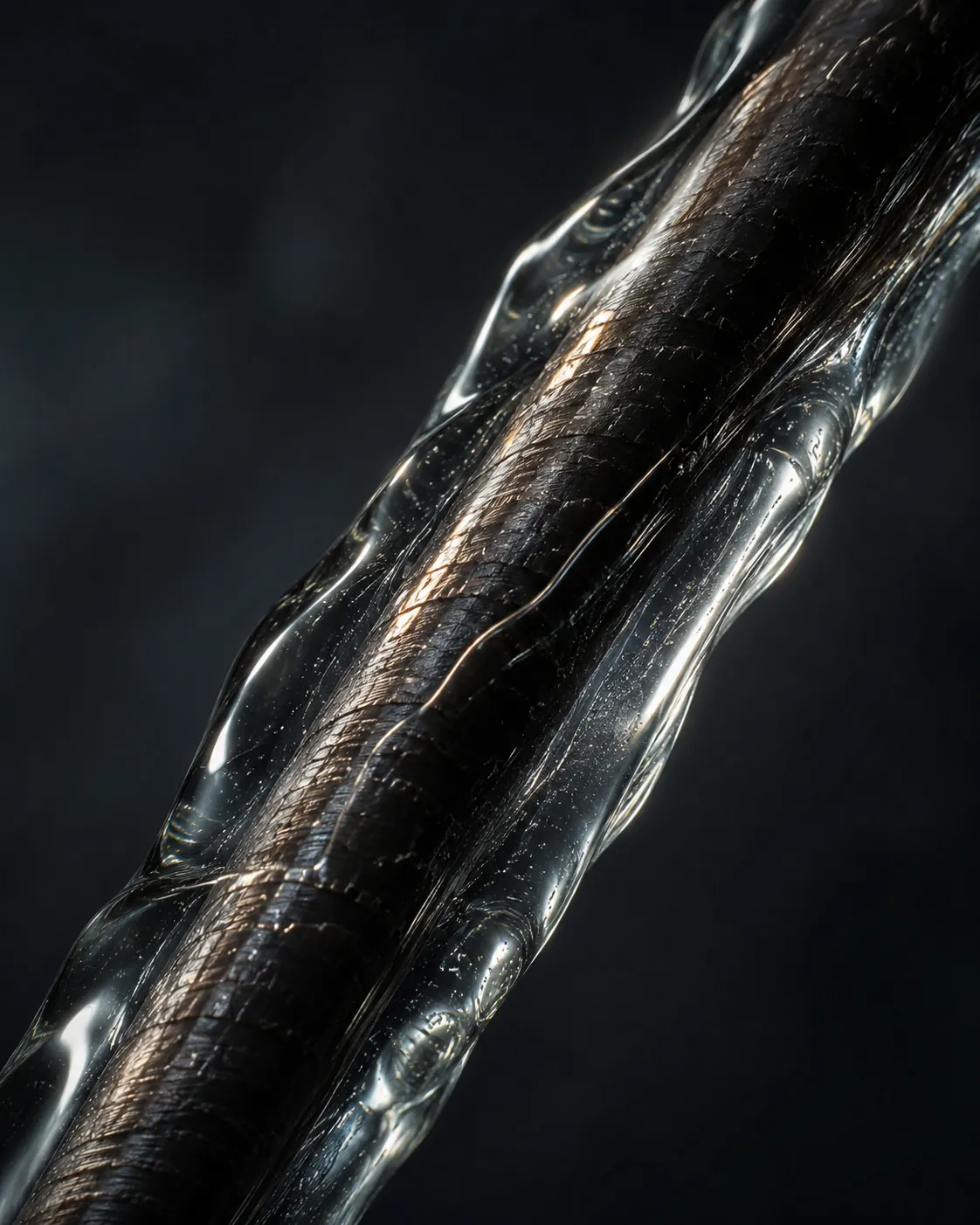
Figure 5: High-magnification visualization of an occlusive synthetic silicone film wrapping the damaged hair shaft.
The Surfactant Wash Cycle: To wash away this heavy silicone buildup, consumers are forced to use clarifying shampoos containing harsh anionic surfactants like Sodium Lauryl Sulfate (SLS) or Sodium Laureth Sulfate (SLES). These detergents lift the cuticle scales further, wash out essential cortical proteins, and strip away whatever natural sebum remains on the hair and scalp, accelerating structural weathering.
4. Scalp Micro-Inflammation and Follicle Toxicity
Healthy hair requires a healthy scalp. Because the skin on the scalp has a thick stratum corneum and a high density of pilosebaceous units, it is structurally robust and can mask early signs of fragrance-induced damage. However, this resilience can be deceptive:
Invisible Contact Dermatitis: The scalp is often spared in fragrance-induced Allergic Contact Dermatitis (ACD). Because its thick outer layer and dense hair follicles resist allergen penetration, the reaction frequently appears not on the scalp itself but in adjacent zones where rinse-off residue runs down, such as the face, neck, eyelids, and ears.
Terpene Autoxidation: Ubiquitous natural fragrance terpenes like d-limonene and linalool are weak sensitizers in their pure state, but they autoxidize when exposed to air and sunlight during storage. They transform into highly reactive allylic hydroperoxides (limonene and linalool hydroperoxides), which act as potent sensitizers. These hydroperoxides deplete intracellular glutathione, induce severe oxidative stress in dendritic cells, and trigger localized cutaneous inflammation.
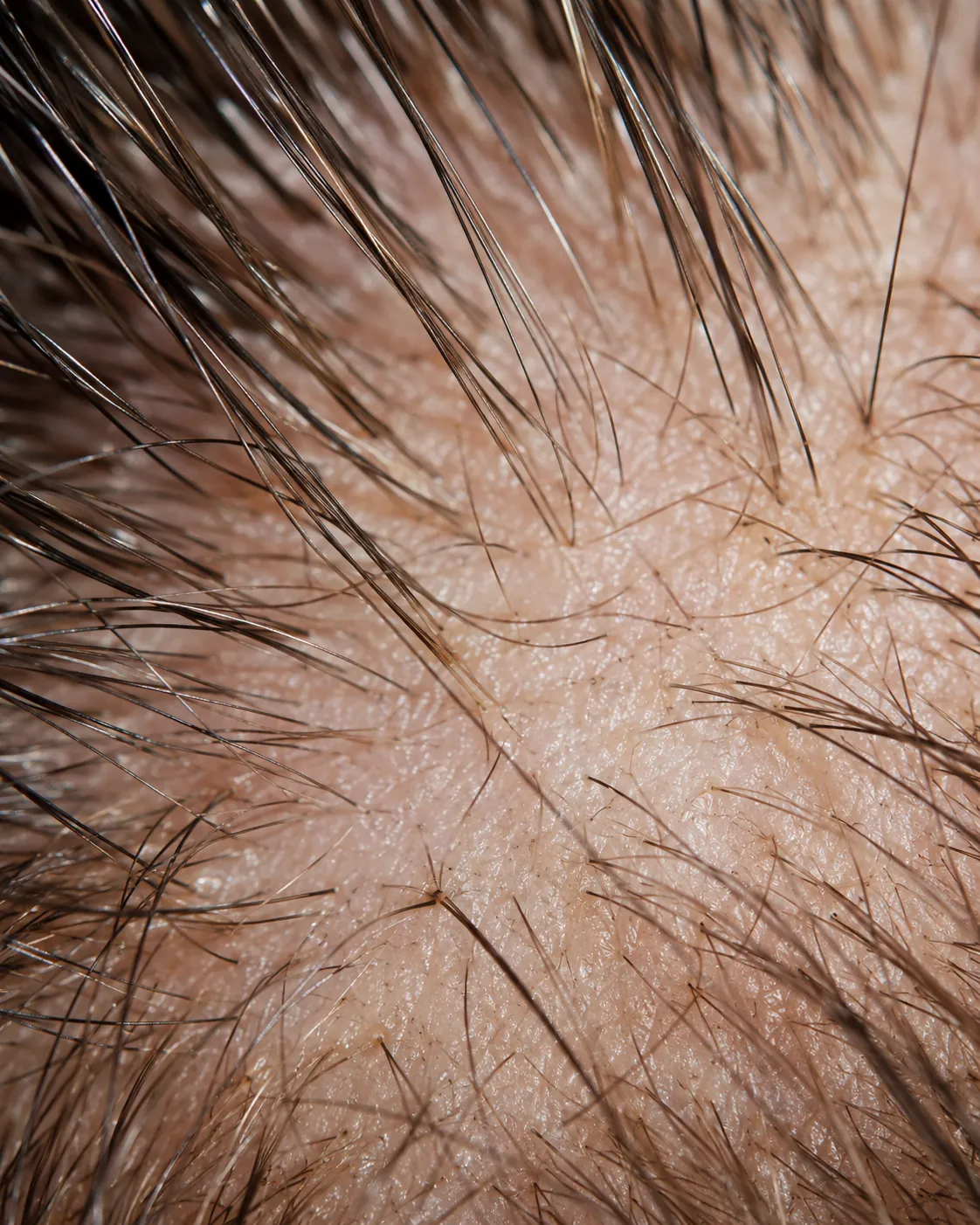
Figure 6: Macro close-up of the scalp surface and emerging hair follicles, where invisible chemical micro-inflammation compromises root health.
Systemic Follicular Toxicity: Scented formulas often contain phthalates, specifically diethyl phthalate (DEP), which are used as fixatives to make fragrances last longer. Because the scalp absorbs compounds rapidly, DEP easily penetrates the skin barrier. As an endocrine disruptor, DEP is one more reason to keep fragrance chemicals off a sensitive scalp, especially given how readily scalp skin absorbs what is applied to it.
Navigating the Labels: "Fragrance-Free" vs. "Unscented"
To protect your hair and scalp from chronic chemical damage, it is crucial to understand that cosmetic labeling is often a matter of precise semantics.
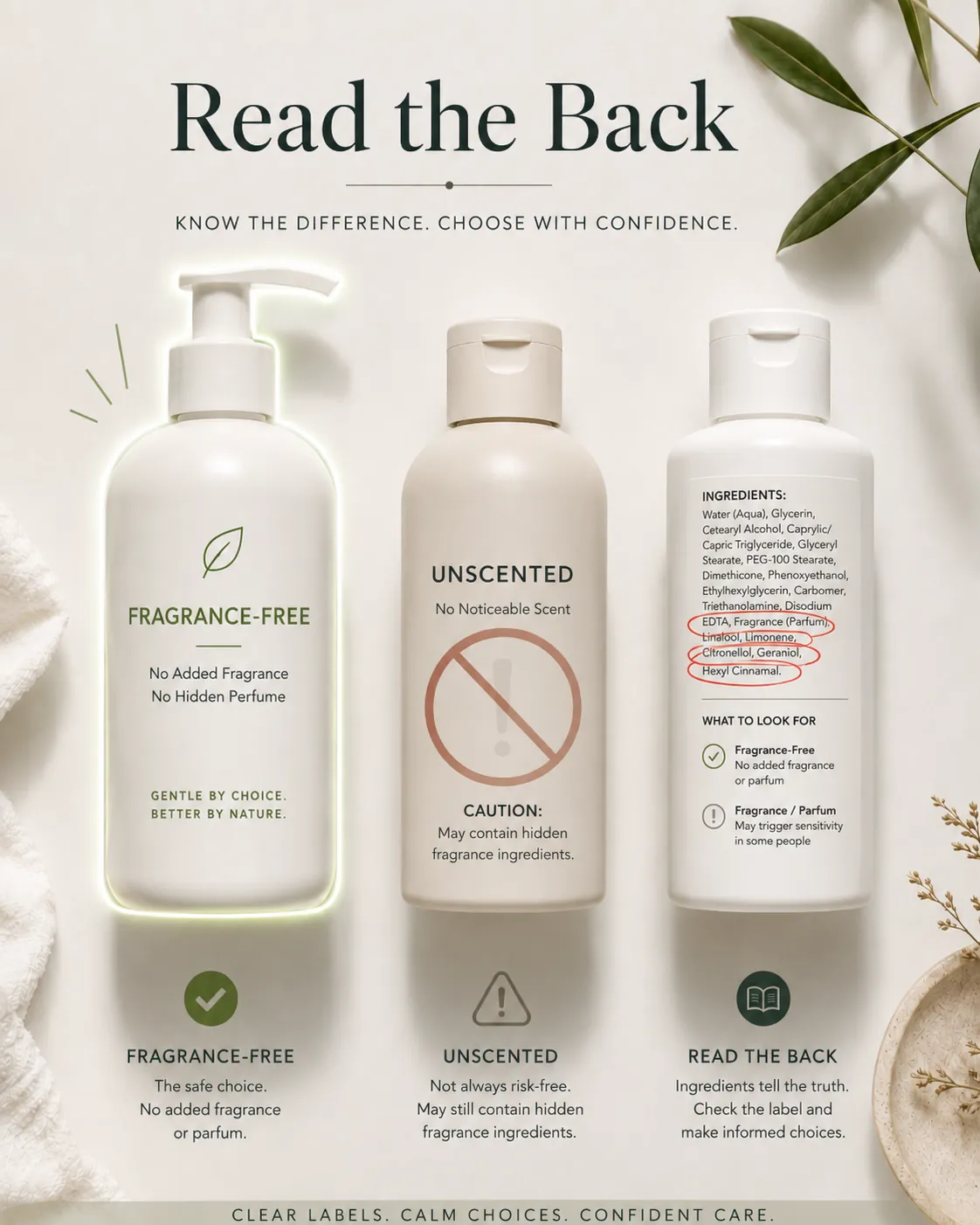
Fragrance-Free: This designation means that no fragrance chemicals, essential oils, or masking scents have been added to the formulation. The product may still carry a faint, natural scent from its raw, functional ingredients (like conditioning lipids or surfactants), but it contains no compounds designed to create a scent or mask baseline odors. This is the safest choice for sensitive or damaged hair.
Unscented: This label is highly deceptive. "Unscented" means the product is formulated to have no perceivable odor. To achieve this, manufacturers typically add chemical masking agents or neutralizing fragrances to cover up the unpleasant odors of the raw ingredients. Despite smelling like "nothing," unscented products can still contain the same volatile organic compounds (VOCs) and sensitizing allergens that trigger contact dermatitis and structural hair degradation.
Finding Fragrance-Free Essentials
Protecting your hair from chronic chemical damage starts with what you stop putting on it. At Fragrance Free Nation, every product is already fragrance-free and essential-oil-free, and you can exclude any other ingredient you want to avoid. Visit us today to shop trusted, truly fragrance-free essentials for your hair and your home.
Never miss a guide
New fragrance-free guides and product audits, occasionally. Unsubscribe anytime.