
Hypochlorous acid (HOCl) has emerged as a widely used, effective, and gentle alternative for cleaning and sanitization. For individuals with fragrance intolerance or Multiple Chemical Sensitivity (MCS), finding products that do not trigger adverse reactions is a significant challenge. This guide outlines what HOCl is, why it is generally considered safe for sensitive individuals, and how to use it effectively.
What is Hypochlorous Acid (HOCl)?
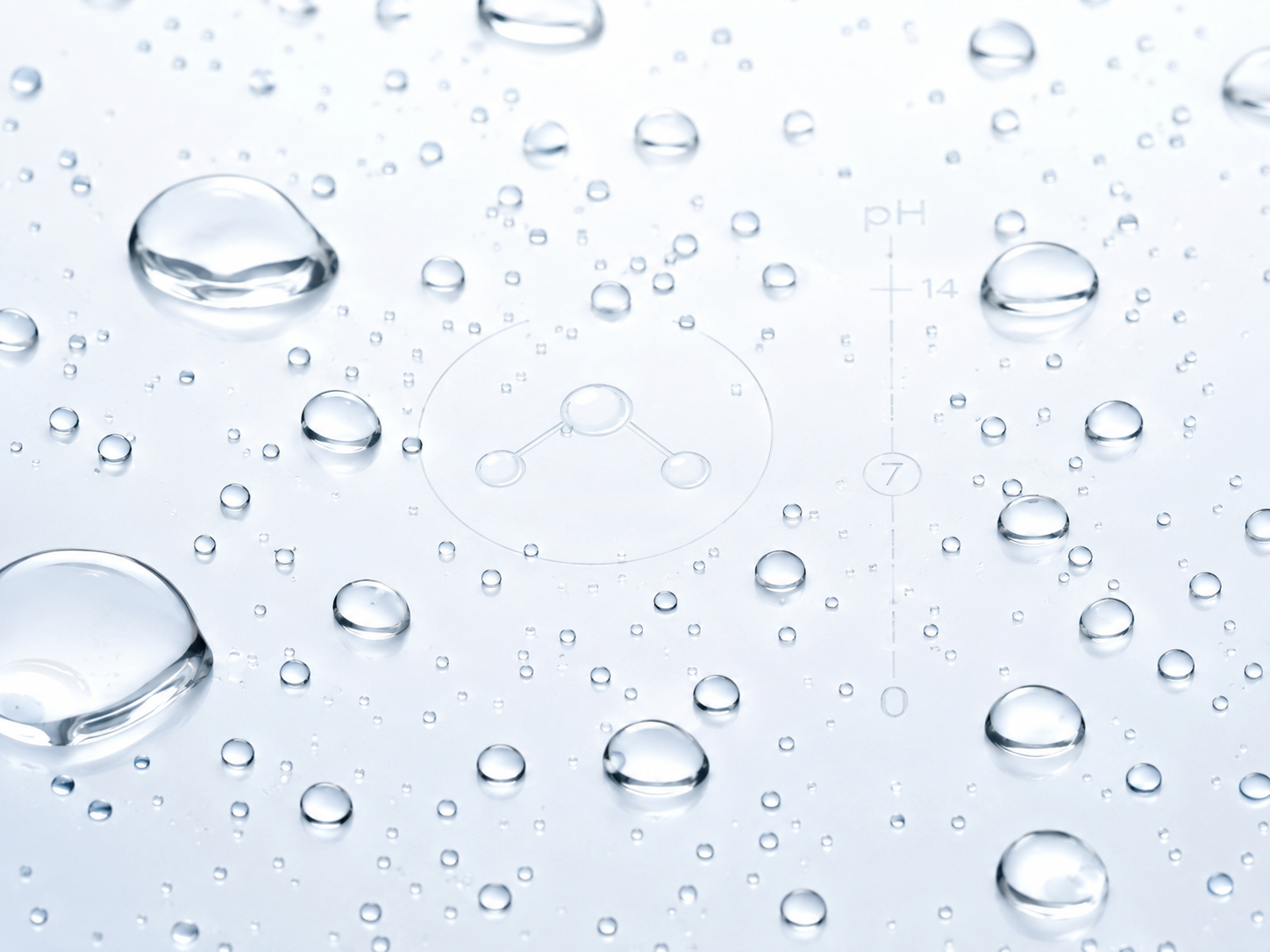
Hypochlorous acid is a naturally occurring compound that is also produced by human immune cells to fight infections. Although it is a form of chlorine, it is fundamentally different from household bleach.
- While household bleach is strongly alkaline (pH ~11 to 12) and can be corrosive, HOCl solutions are acidic-to-neutral, and this lower pH is what makes hypochlorous acid - rather than the harsher hypochlorite ion - the dominant, gentler active form.
- Genuine HOCl products typically consist of only water, trace salt, and HOCl. They are designed to contain no fragrances, dyes, alcohols, or harsh surfactants.
- HOCl may have a very faint "chlorine" or "seawater" scent. This is not a perfume, and it dissipates rapidly as the product dries.
Why HOCl is Generally Safe for Fragrance-Sensitive Individuals
For those who struggle with fragrance-induced reactions, HOCl is often considered a safer choice compared to traditional cleaners.
- No Added Fragrance: By design, pure HOCl products are fragrance-free. Adding fragrances would react with and deactivate the disinfectant, so manufacturers typically keep these formulas pure.
- Low Volatile Organic Compounds (VOCs): Unlike many conventional cleaners that rely on solvents or perfumes, HOCl is not an organic solvent and does not contain the common chemical triggers found in fragranced products.
- Low Sensitization Risk: Clinical experience indicates that HOCl is not a common allergen, and reports of allergic sensitization to it are rare. Dermatology reviews describe topical HOCl as generally well tolerated, and some early studies suggest it may even help reduce inflammation and itching in sensitive skin.
- Good Safety Profile: HOCl is naturally produced by the body and has a well-documented safety profile in clinical use. It is used in medical settings for wound care and is described in dermatology reviews as generally well tolerated on skin.
Recommended Best Practices for Use
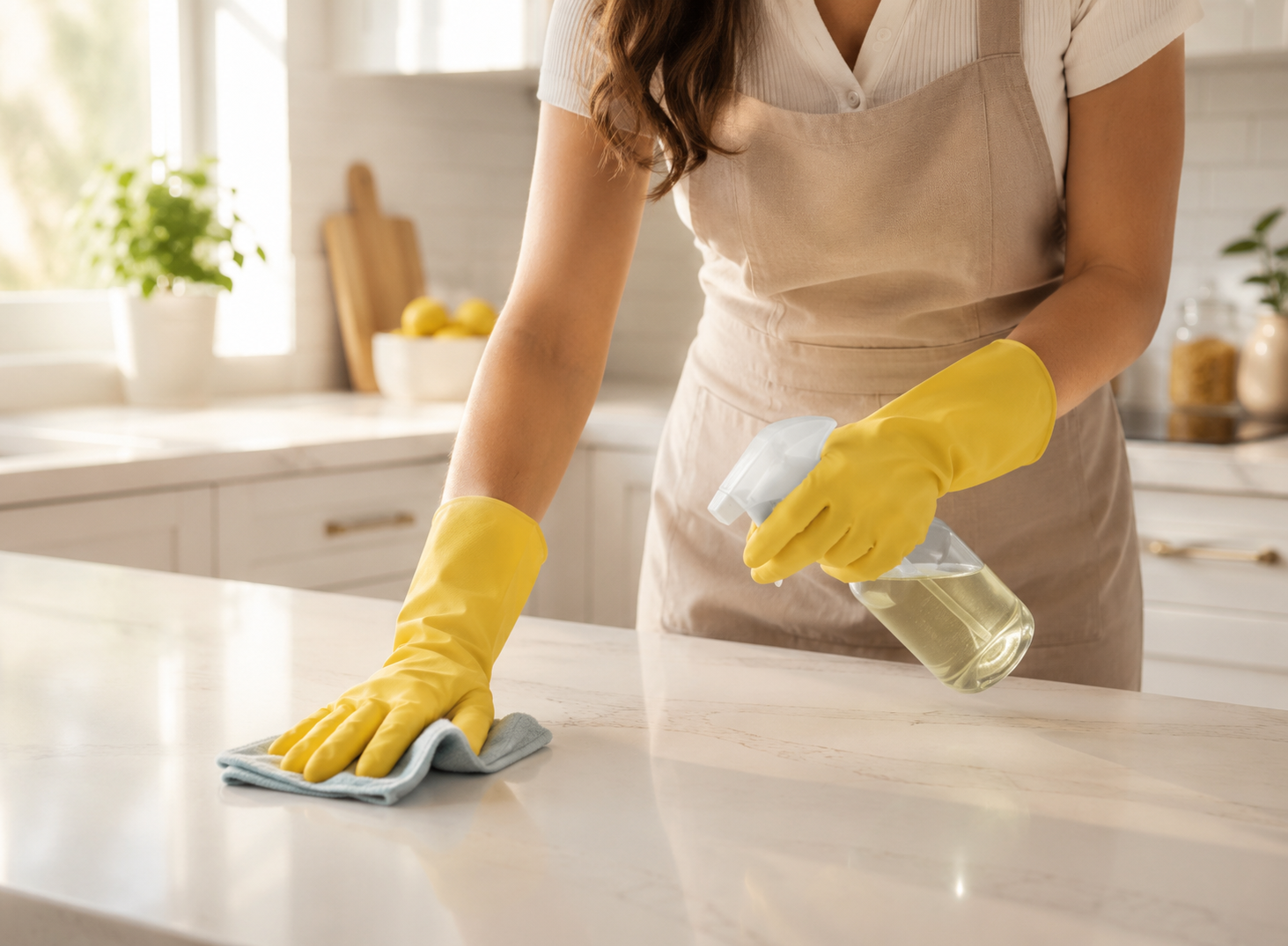
While HOCl is a low-risk product, individuals with chemical sensitivities should follow these steps to ensure a positive experience:
- Read Labels Carefully: Ensure the product lists only HOCl and water (and trace salt) as its ingredients. Avoid products that allow for the addition of essential oils, as these will introduce the very fragrances you are trying to avoid.
- Ventilate the Area: Even though HOCl is fragrance-free, those with extreme sensitivities may perceive the faint chlorine scent. Working in a well-ventilated area - using a fan or opening a window - will quickly disperse any odor.
- Avoid Mixing Chemicals: Never mix HOCl with other cleaning agents, acids, or ammonia. Mixing chlorine-based products with acids or ammonia can release toxic chlorine or chloramine gas, which is a respiratory irritant. Use HOCl on its own.
- Patch-Test First: If you plan to use an HOCl spray or gel on your skin, apply a small amount to a patch of skin first to ensure it is well-tolerated. Anyone with a known bleach or chlorine allergy should be especially careful and patch-test before regular use.
- Proper Storage: HOCl can gradually lose potency with exposure to light, heat, and air, so use products from reputable sources that are verified for purity and store them as directed - typically cool and away from direct light.
Start Building Your Safe Space
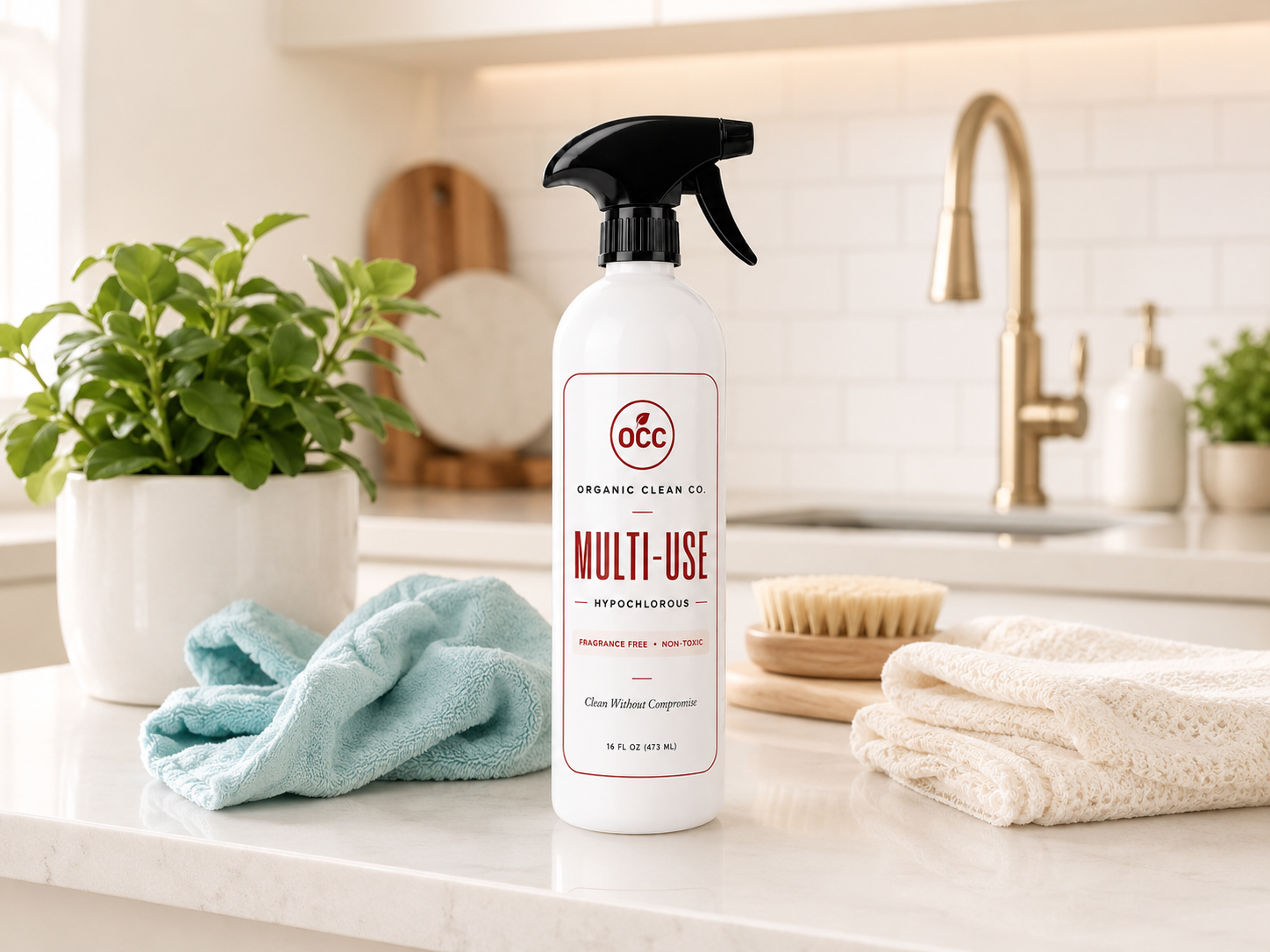
You do not have to navigate this transition alone. Swap out your everyday items for safe, truly fragrance-free alternatives. Try the Multi-Use Hypochlorous Cleaner pictured above for a powerful, fragrance-free way to sanitize your home, or visit Fragrance Free Nation to shop our full range of fragrance-free household and personal care essentials.
If this guide helped you, please share it. The more we understand the invisible impact of everyday scents, the safer and more accessible our shared world can become.
Disclaimer: While HOCl is considered safe and non-toxic for most, this guide is for informational purposes only and is not intended to diagnose, treat, or cure any condition. If you have specific medical concerns or severe sensitivities, please consult with your healthcare provider.
References
- Block, M. S., & Rowan, B. G. (2020). Hypochlorous Acid: A Review. Journal of Oral and Maxillofacial Surgery, 78(9), 1461-1466. https://doi.org/10.1016/j.joms.2020.06.029
- Farah, R. I., & Al-Haj Ali, S. N. (2021). Electrolyzed Water Generated On-Site as a Promising Disinfectant in the Dental Office During the COVID-19 Pandemic. Frontiers in Public Health, 9, 629142. https://doi.org/10.3389/fpubh.2021.629142
- Sil, T. B., Malyshev, D., Aspholm, M., & Andersson, M. (2025). Boosting hypochlorite's disinfection power through pH modulation. BMC Microbiology, 25. https://doi.org/10.1186/s12866-025-03831-w
- Fukuyama, T., Martel, B. C., Linder, K. E., Ehling, S., Ganchingco, J. R., & Baumer, W. (2018). Hypochlorous acid is antipruritic and anti-inflammatory in a mouse model of atopic dermatitis. Clinical & Experimental Allergy, 48(1), 78-88. https://doi.org/10.1111/cea.13045
- Del Rosso, J. Q., & Bhatia, N. (2018). Status Report on Topical Hypochlorous Acid: Clinical Relevance of Specific Formulations, Potential Modes of Action, and Study Outcomes. The Journal of Clinical and Aesthetic Dermatology, 11(11), 36-39. https://www.ncbi.nlm.nih.gov/pmc/articles/PMC6303114/
- Haralovic, V., Mokos, M., Spoljar, S., Dolacki, L., Situm, M., & Lugovic-Mihic, L. (2025). Hypochlorous Acid: Clinical Insights and Experience in Dermatology, Surgery, Dentistry, Ophthalmology, Rhinology, and Other Specialties. Biomedicines, 13(12), 2921. https://doi.org/10.3390/biomedicines13122921
- Stubbs, A. D., Lao, M., Wang, C., Abbatt, J. P. D., Hoffnagle, J., VandenBoer, T. C., & Kahan, T. F. (2023). Near-source hypochlorous acid emissions from indoor bleach cleaning. Environmental Science: Processes & Impacts, 25(1), 56-65. https://doi.org/10.1039/d2em00405d
- Nagamatsu, Y., Ikeda, H., & Nagamatsu, H. (2024). Long-Term Storage Stability of Neutral Electrolyzed Water by Two-Stage Electrolysis: Optimal Storage Conditions for Intraoral Use. Applied Sciences, 14(20), 9264. https://doi.org/10.3390/app14209264