

It can be difficult to watch someone you care about navigate a world that suddenly feels filled with invisible landmines. When a loved one has fragrance intolerance, the most powerful thing you can do is validate their experience and take practical steps to make their environment safer. Here are the core ideas and most actionable steps you need to know to be a supportive partner, friend, or family member.
1. Understand What They Are Experiencing
To help them, it is important to first understand what is actually happening in their body:
- It is a real, physical issue, not just a preference. "Fragrance intolerance" is an umbrella term for several real physical reactions. For some, it causes severe allergic skin rashes or asthma attacks. For others, it triggers debilitating migraines or irritation in the eyes, nose, and throat. In rare but severe cases where a true systemic allergy is present, it can even cause life-threatening anaphylaxis.
- It is not just about perfume. Triggers go far beyond cologne and perfume. Symptoms are often triggered by everyday household items like laundry products, air fresheners, cleaning agents, deodorants, and cosmetics.
- Reactions can range from mild to severe. While some people experience a mild nuisance, others experience disabling illnesses, asthma exacerbations, or anaphylaxis.
2. Make Their Home a "Safe Zone"
The most effective way to manage fragrance intolerance is source control, meaning you remove the triggers from the environment. Here is how to help them create a low-fragrance home:
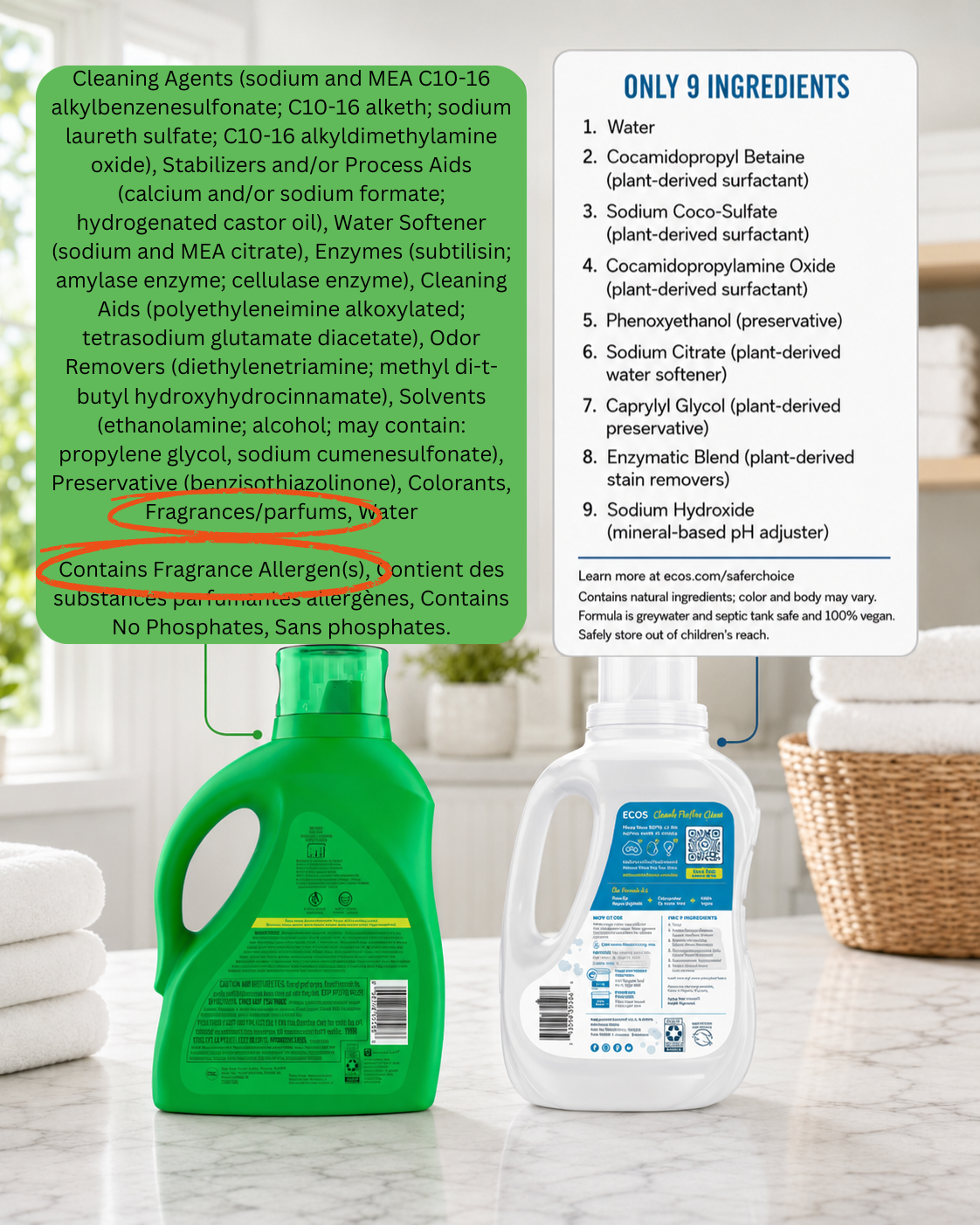
- Learn the label trick. Always choose products labeled "fragrance-free" over those labeled "unscented." Unscented products may still contain masking ingredients that hide the smell of the formula, while fragrance-free means no fragrance materials were intentionally added. It is also important to avoid essential oils. Even though they are often marketed as "natural," essential oils are still concentrated aromatic compounds and can trigger symptoms for people with fragrance intolerance.
- Focus on the biggest offenders. Remove scented plug-ins, room sprays, and scented candles from the home entirely.
- Overhaul the laundry routine. Laundry products are a massive source of exposure. Switch to fragrance-free detergents and completely avoid scented fabric softeners and dryer sheets.
- Use the right air purifiers. If you use an air purifier, remember that standard HEPA filters only catch particles. To help with odors and volatile organic compounds (VOCs), the purifier must have activated carbon or gas-adsorbent media.
3. How to Support Them Socially and Medically
Your social support and advocacy can take a massive weight off their shoulders:

- Believe them without catastrophizing. Do not minimize their reactions by saying they are "just being picky." At the same time, stay calm and do not assume every single exposure will be dangerous.
- Help them track their triggers. Help them document what triggered a reaction, how quickly it started, and what body system was affected. This kind of calm tracking can help their doctor figure out exactly what specific condition (like asthma or contact dermatitis) is causing the intolerance.
- Commit to a strictly fragrance-free personal routine. As a caregiver, the most profound way to show support is to eliminate your own use of fragranced products entirely. This requires a deliberate shift to fragrance-free shampoo, deodorant, and skincare. Crucially, this commitment extends to your clothing, as textiles aggressively retain scent molecules. Simply wearing a shirt laundered the day before is insufficient if it was previously washed in standard detergent. Because commercial laundry fragrances are engineered to bond tightly with fabric, a garment often requires multiple washings in a fragrance-free formula before it is safely stripped of residual triggers.
Adapting your daily life to protect someone you love is a profound act of care, one that transforms their environment into a place of true safety. We believe that creating this sanctuary should be as effortless as it is essential.
You can explore a thoughtfully curated selection of fragrance-free essentials for your home and personal routine, designed to protect the health and peace of mind of the people you care about most.