Sovereign & Sensitive: A Guide to Nervous System Healing, Self-Protection, and Self-Authoring with Fragrance and Chemical Sensitivity
Recovery from chronic fragrance and chemical sensitivity is not about "fixing" your body. It is about building an unshakeable foundation of self-regard that honors your physical truth. This guide walks through three phases, self-protection, self-love, and self-authoring, to help you calm a hyper-vigilant nervous system and reclaim your life on your own terms.
Fragrance Free Nation
· 6 min read
In this guide
Living with chronic fragrance and chemical sensitivity is a unique and challenging journey. The trauma is often two-fold: the physical assault of chemical exposures on a hyper-vigilant nervous system, and the systemic gaslighting from a world that struggles to accommodate invisible, environmentally triggered disabilities. True recovery here is not about "fixing" your sensitivity, it is about building an unshakeable fortress of self-regard that honors your physical truth and reclaims your life.
Phase I: Self-Protection (Building the Foundation of Safety)
You cannot heal or practice self-love while your nervous system is trapped in a state of hyper-vigilance. Self-protection is not selfish; it is the ultimate act of self-care.
1. Radical Environmental Sovereignty
Treat your home and personal space as a sacred sanctuary. When anyone enters your environment, your safety needs are non-negotiable. This is not being "difficult", it is basic medical necessity.
2. The Direct, Guilt-Free Exit
When you feel a reaction starting, skip the long explanations and apologies. Use neutral, grounded language: "My body is reacting to the air quality here, so I am going to step out to protect myself."
3. Uncoupling Safety from Social Guilt
Society conditions us to prioritize others' comfort over our own well-being. Unlearning this is essential. Choosing your breath over someone else's scent is a fundamental right.
New fragrance-free finds, once a week
Products from independent fragrance-free shops, and the guides behind them. Unsubscribe anytime.
Phase II: Self-Love (Reclaiming the Body Through Safe Sensing)
When your body feels like it reacts to everything, it is easy to view it as an enemy. Self-love is the process of making peace with your physiological self.
1. Reframing the System
Your body is not "broken" or "weak." It is hyper-attuned. Your system acts as a biological sentinel, alerting you to environmental toxins that others are simply numb to.
2. The Practice of Intentional "Sensing"
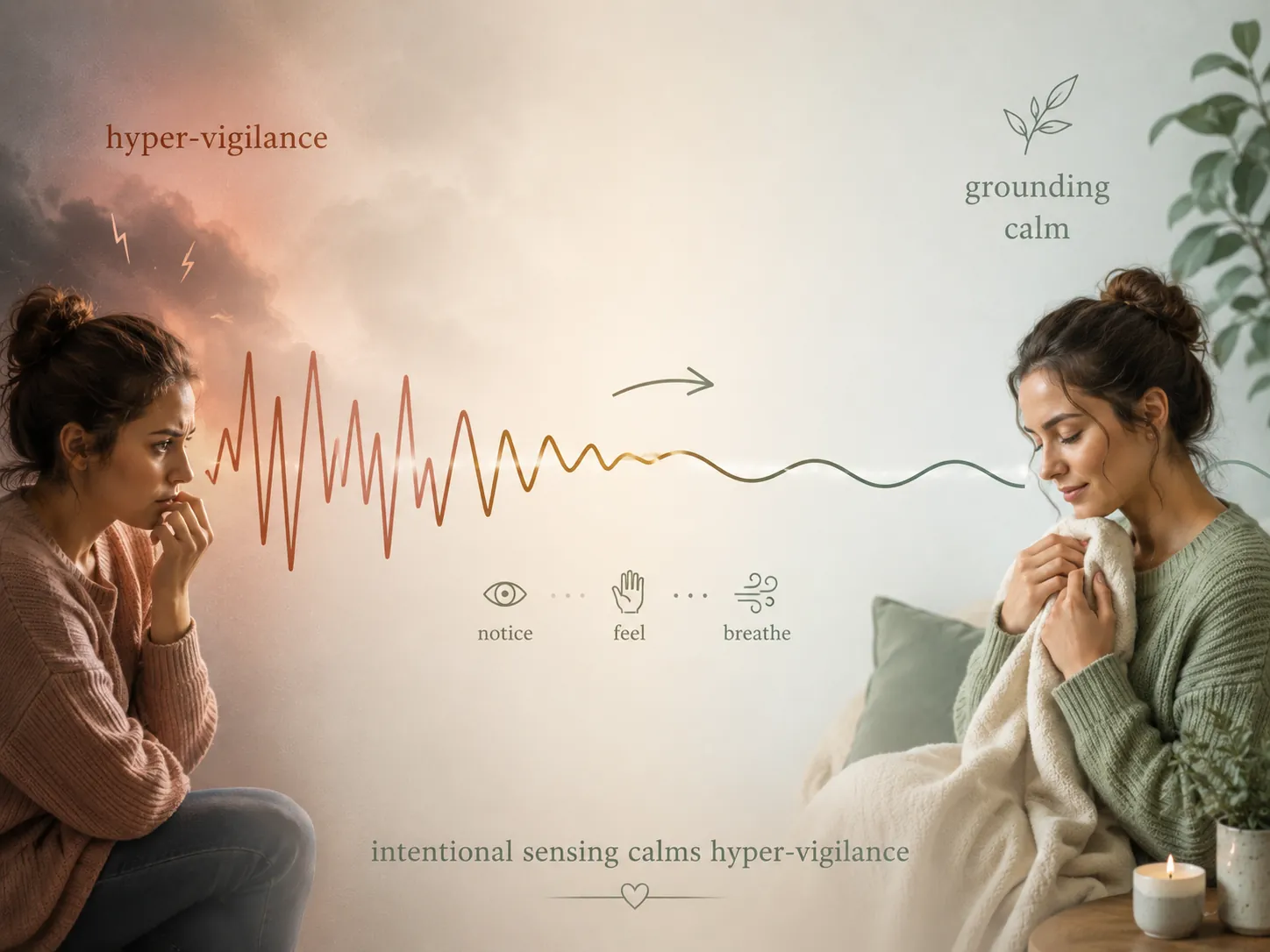
Trauma often hijacks our feelings, making somatic sensations feel dangerous. Shift your focus from feeling to intentional sensing, a conscious choice to direct your awareness toward safe, pleasant inputs.
Seek out non-toxic micro-rituals: the weight of pure organic cotton, the warmth of clean sunlight, or filtered, crisp air.
Spend time consciously sensing these safe inputs to remind your nervous system that experiencing the world can be pleasurable.
3. Grounding in the Moment
When exposed, the brain can enter a trauma loop. Practice "orienting", slowly scanning your immediate safe space and naming three things you can visually or physically sense that are neutral and safe. This directly signals to your nervous system that right now, in this micro-moment, you are secure.
Phase III: Self-Authoring (Owning Your Story & Relationships)
Self-authoring means reclaiming your narrative from medical skeptics and defining your life on your own terms.
1. Relational Recalibration
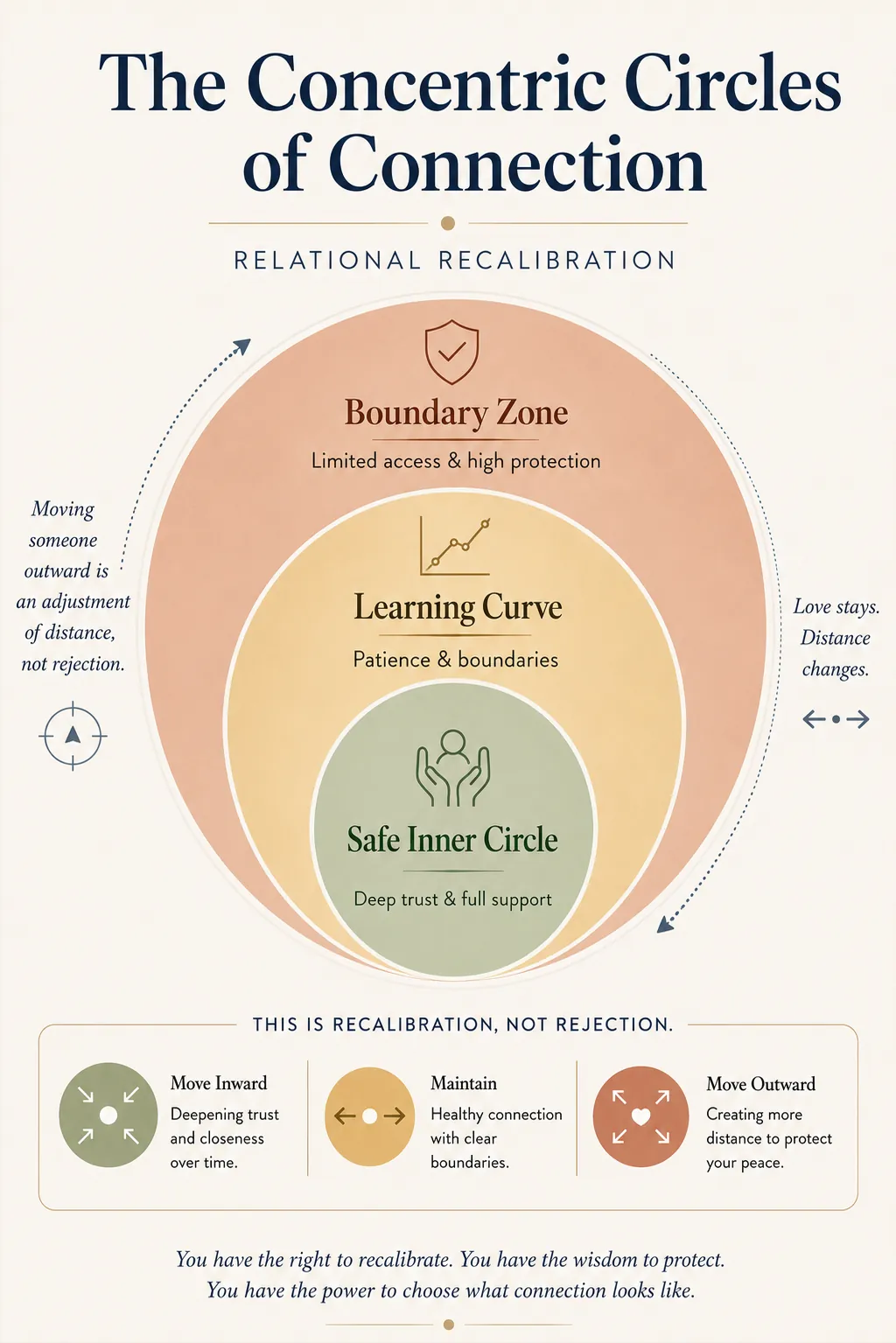
Rather than cutting people out, view your relationships through a spectrum of safe access:
The Safe Inner Circle: Those who prioritize your presence over their products and gladly adapt.
The Learning Curve: Those who love you but struggle with habits. Offer them patience and clear education.
The Boundary Zone: Those who refuse to respect your health needs. Adjust their access to your time and physical space to keep yourself safe.
2. Documenting Your Reality
Keep an objective journal of exposures and reactions. Having clear data on paper anchors you in reality and protects you from internalizing other people's doubt or gaslighting.
3. Anchoring Beyond the Illness
You are more than a diagnosis. Engage in creative, intellectual, or spiritual pursuits that exist completely outside your sensitivity, whether that is writing, digital art, learning, or advocacy. Define your life by what you build, not just what you must avoid.
A Daily Affirmation for the Sensitive Body
"My body is paying attention, and it is doing its best to keep me alive. I do not need to apologize for protecting my breath. My health is my baseline, not a negotiation."