The 30-Day Fragrance Detox Guide: What Happens When You Clear Hidden Chemicals From Your Body
Every day, fragranced products surround us with a complex mix of artificial chemicals, plasticizers, and musks. This guide walks through a simple 30-day fragrance elimination challenge, phase by phase, and explains what the science says happens as your body gets a break from constant chemical exposure.
Fragrance Free Nation
· 6 min read
In this guide
Every day, we use fragranced products like perfumes, lotions, shampoos, laundry detergents, and air fresheners without realizing they release a complex mix of artificial chemicals, plasticizers, and musks. Continuous exposure puts our bodies under constant chemical stress.
This guide breaks down a simple, step-by-step protocol to help you complete a 30-day fragrance elimination challenge and explains how your body recovers along the way.
Phase-by-Phase Timeline and Body Recovery
Phase 1: Days 1 to 3, Clearing and Resetting
What your body does: Your kidneys and liver rapidly filter and clear out short-term chemicals, such as phthalates and parabens, that enter your body from daily products.
What you can expect: In a UC Berkeley study, simply switching to fragrance-free and phthalate-free products cut urinary phthalate and paraben levels by roughly 27 to 45 percent in just three days, because these short-lived chemicals clear quickly once you stop applying them. Your hormone receptors also get a break from constant chemical interference.
Phase 2: Days 4 to 14, Skin and Airway Relief
What your body does: Chemical irritation stops, allowing your skin barrier and airways to calm down. Immune overreactions in the skin and respiratory tract begin to settle.
What you can expect: Noticeable reductions in skin redness, scaling, and itching, alongside fewer breathing irritations, reduced coughing, and fewer asthma flare-ups.
Phase 3: Days 15 to 30, Deep Tissue Cleansing and Nervous System Reset
What your body does: Because synthetic musks build up and are stored in body fat over time, cutting off exposure stops adding to that stored load and lets it gradually decline. At the same time, your nervous system and sense of smell begin to recalibrate.
What you can expect: A significant drop in scent-triggered headaches and migraines, the lifting of mental brain fog, normalized scalp health, and a sharper, more natural sense of smell.
New fragrance-free finds, once a week
Products from independent fragrance-free shops, and the guides behind them. Unsubscribe anytime.
Systemic Benefits of the 30-Day Cleanse
1. Skin and Scalp Recovery
Skin Barrier Repair: Stopping chemical exposure helps your skin retain moisture, lowers water loss, and repairs its natural protective lipid layer.
Eczema and Dermatitis Relief: Aligns with your skin's natural 28-day renewal cycle, helping clear up stubborn dry or irritated patches on high-exposure areas like your face, neck, and hands.
Scalp Health: Eliminating scented hair products stops low-grade irritation at the hair roots, calms scalp inflammation, and resolves chronic redness or flaking.
2. Respiratory Optimization
Easier Breathing: Volatile chemical vapors stop triggering sensitive nerve endings in your upper and lower airways.
Airway Healing: Stopping this irritation reduces tissue swelling and excess mucus, leading to clearer breathing, less coughing, and reduced reliance on rescue inhalers for those with asthma.
3. Chemical Cleansing and Hormone Balance
Fast Elimination: Short-chain chemical compounds drop to near-zero levels within the first few days of stopping exposure.
Deep Detox: Slower-clearing synthetic musks stored in body fat gradually exit the system through normal liver processing over the 30-day window.
Lower Oxidative Stress: Phthalate exposure is linked in human studies to higher markers of oxidative stress and DNA damage, so lowering your chemical burden may ease that ongoing cellular stress.
4. Brain and Nervous System Balance
Fewer Headaches: Removing chemical triggers stops the nerve pathways that lead to throbbing tension headaches and migraines.
Sensory Reset: Your nasal receptors recover from being overworked by fragrances, letting you experience natural aromas clearly while clearing out mental fatigue and brain fog.
Your 30-Day Reset: How to Eliminate the Sources
To give your body a true reset, eliminate all sources of fragrance for 30 consecutive days:
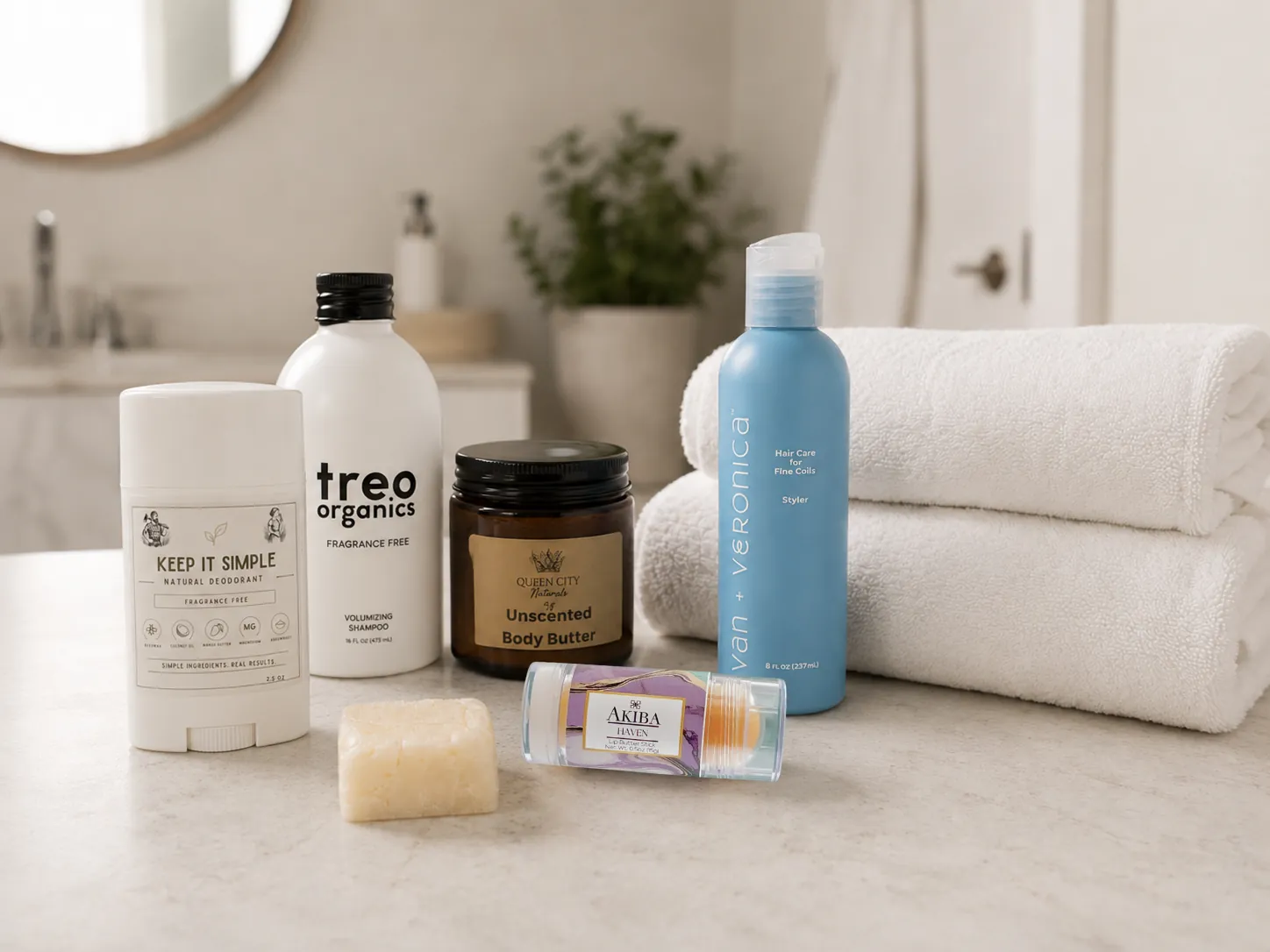
Audit Personal Care and Cosmetics: Swap fine perfumes, colognes, body sprays, lotions, facial creams, and deodorants for verified fragrance-free products, looking for fragrance-free rather than just unscented, which can still contain masking chemicals.
Switch Hair Care Routines: Replace fragranced shampoos, conditioners, and styling treatments with hypoallergenic, fragrance-free options to protect your scalp.
Clean Up Laundry and Home Products: Eliminate scented laundry detergents, fabric softeners, dryer sheets, plug-in air fresheners, and scented household cleaners that constantly put chemicals into your indoor air.
Monitor and Track: Keep a simple journal of your energy levels, skin clarity, headache frequency, and breathing comfort as you move through the 30-day challenge.
We know firsthand how frustrating and difficult finding truly fragrance-free products can be, and that is exactly why we built Fragrance Free Nation, so anyone looking to protect their health can easily find what they need. We invite you to explore our shop and see how simple upgrading your routine can be.
References
Harley KG, Kogut K, Madrigal DS, et al. Reducing Phthalate, Paraben, and Phenol Exposure from Personal Care Products in Adolescent Girls: Findings from the HERMOSA Intervention Study. Environmental Health Perspectives. 2016;124(10):1600-1607. ncbi.nlm.nih.gov/pmc/articles/PMC5047791
Steinemann A. Fragranced consumer products and effects on asthmatics: an international population-based study. Air Quality, Atmosphere & Health. 2018;11:643-654. link.springer.com
California Department of Public Health, Work-Related Asthma Prevention Program. Fragrances and Work-Related Asthma. cdph.ca.gov
Kim S, Kang S, Lee G, et al. Positive Association between Urinary Concentration of Phthalate Metabolites and Oxidation of DNA and Lipid in Adolescents and Young Adults. Scientific Reports. 2017;7:44318. ncbi.nlm.nih.gov/pmc/articles/PMC5349565
Reiner JL, Kannan K. Polycyclic musks in water, sediment, and fish from the Upper Hudson River, and human adipose tissue: bioaccumulation of synthetic musks. ncbi.nlm.nih.gov/pmc/articles/PMC1253742