
Coming home to a fresh-smelling house is a common comfort, but intentionally exposing our pets to fragrances provides them with almost no proven benefits and creates completely avoidable risks. Here is the science behind why everyday scents can be dangerous, and how to keep your household safe.
The Worst Offenders: What's Actually in the Air?
Concentrated essential oils carry the strongest evidence of causing harm to pets, including neurological, stomach, respiratory, skin, and even liver or kidney damage.
The most dangerous oils include tea tree (melaleuca), pennyroyal, wintergreen, sweet birch, cinnamon, eucalyptus, clove, and citrus oils packed with limonene. Tea tree oil is the most common essential-oil poison for pets; in one major case study, 100% tea tree oil caused severe nervous system depression, tremors, and weakness within hours.
The risk extends beyond concentrated drops. "Natural" flea products made with essential oils can cause severe reactions even when used exactly according to label instructions. Everyday items like air fresheners, plug-ins, and scented candles emit complex mixtures of volatile organic compounds (VOCs) that act as serious respiratory irritants.
How Exposure Actually Happens
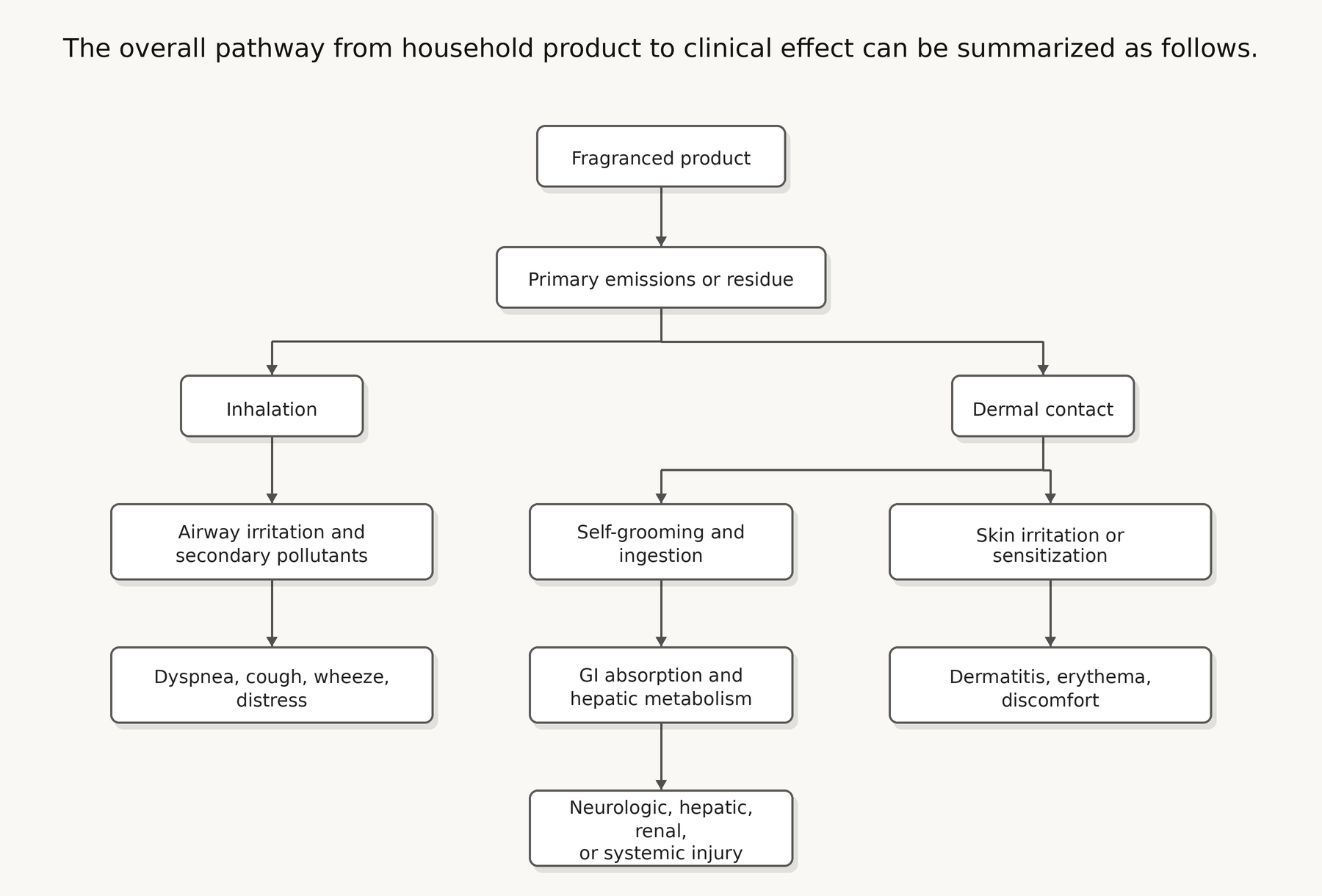
Pets do not just smell these chemicals; they physically absorb them.
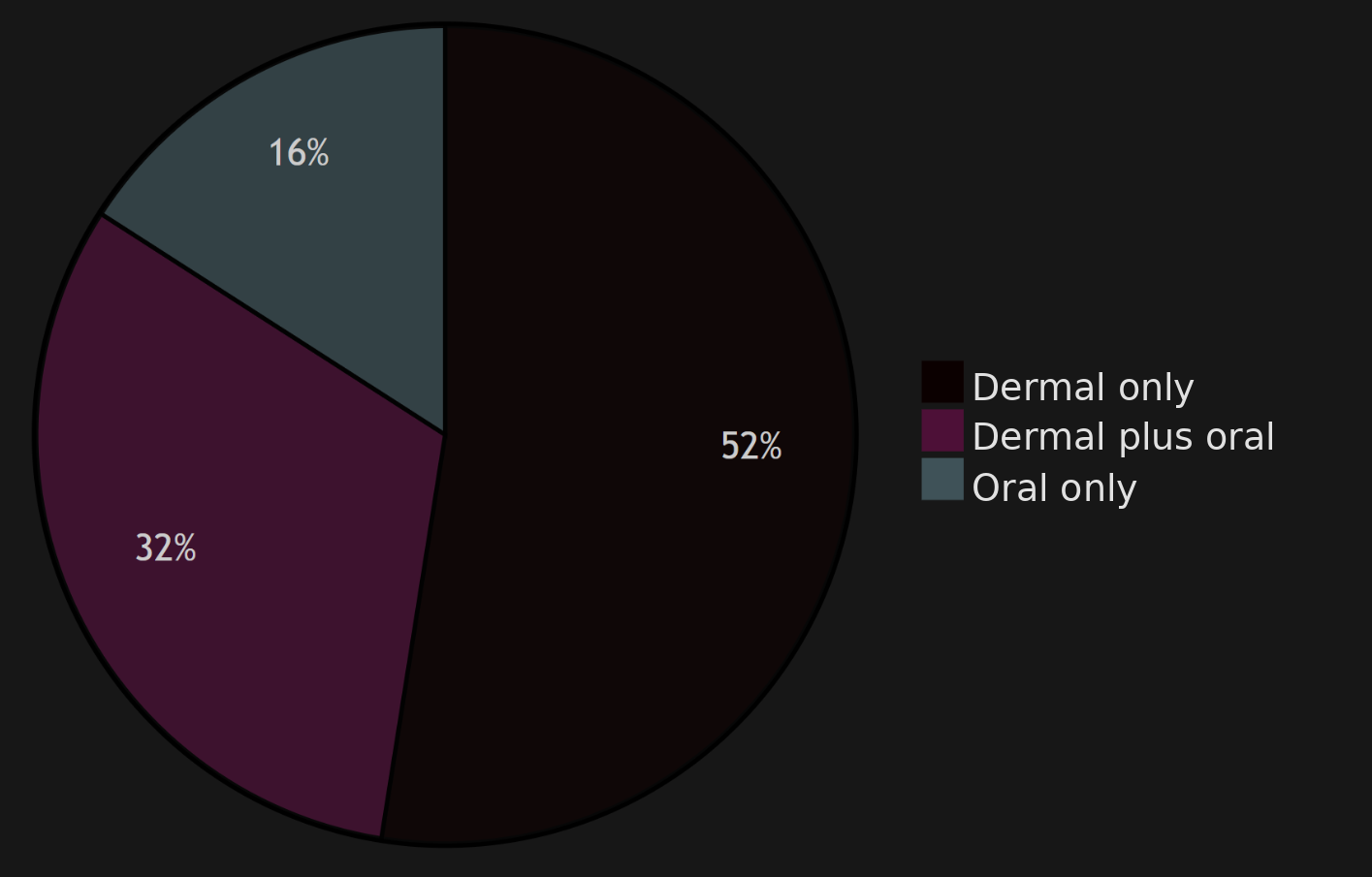
While passive diffusers (like reed sticks or unlit candles) primarily irritate the lungs, active diffusers (like ultrasonic misting units) present a larger threat. They emit microdroplets that settle directly onto your pet's fur or feathers. Fragrance oils are easily absorbed through the skin and can enter the bloodstream. When pets naturally groom themselves, they ingest these droplets, turning a skin exposure into a highly toxic oral dose.
Indoor air chemistry also plays a critical role. Common fragrance chemicals, such as limonene and linalool, react with ozone in the home. They form secondary pollutants like formaldehyde and ultrafine particles, which directly irritate pets' lungs.
Species-Specific Vulnerabilities
Animals metabolize chemicals differently than humans, creating unique and severe vulnerabilities across species.
The Labeling Loophole
Regulations around household fragrances are surprisingly minimal. In the U.S., companies can list "fragrance" on cosmetics or cleaners without disclosing dangerous sensitizers like limonene or eugenol. Furthermore, pet grooming aids meant solely to "beautify" animals are generally not regulated by the FDA unless they make medical claims. This leaves a significant gap in safety oversight for products used directly on pets.
Keeping Your Home Safe
To manage these risks and maintain a fresh home, follow these safety guidelines:
- Go Fragrance-Free: Always choose fragrance-free products, especially if you have cats, birds, small mammals, or any pet with a respiratory issue.
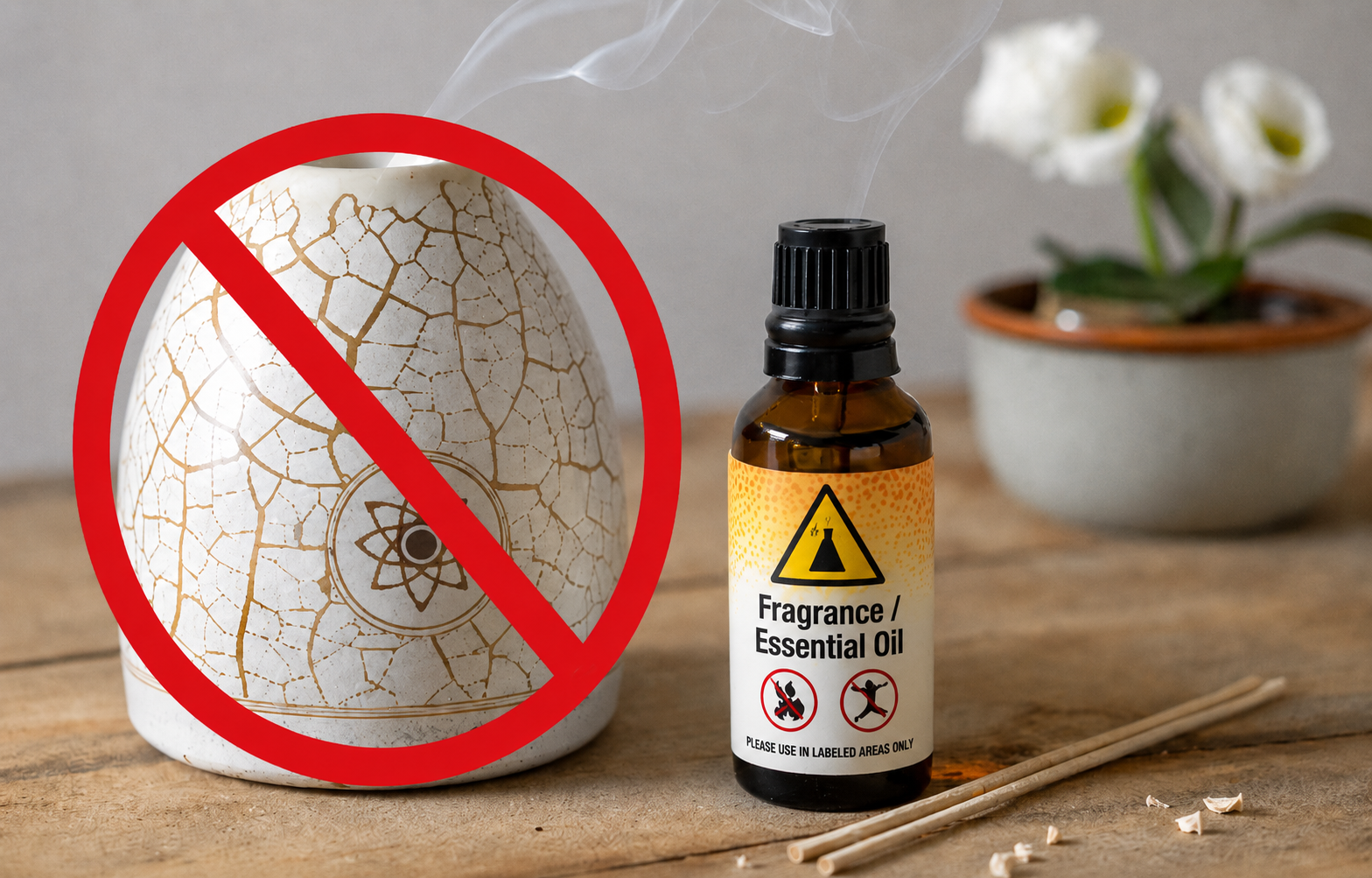
- Avoid Active Diffusers: Do not use active essential-oil diffusers around birds or heavily self-grooming pets. If you must use one, keep pets out of the room, use a low concentration for a short time, and thoroughly ventilate the space afterward.
- Never Apply Directly: Never apply concentrated essential oils directly to your pets.
- Know the Emergency Plan: If your pet is exposed and begins drooling, vomiting, acting lethargic, or having tremors, move them to fresh air immediately. Wash skin contamination with dish soap if appropriate, but never induce vomiting unless specifically directed by a veterinarian. Retain the product container and contact a pet poison center or your vet immediately to improve their prognosis.
Creating a sanctuary for your pet is a continuous act of care, one that extends to the very air they breathe. We believe that choosing a safer, healthier environment should be as effortless as it is essential.
You can explore a thoughtfully curated selection of fragrance-free essentials for your pet, designed with the well-being of your companion in mind.