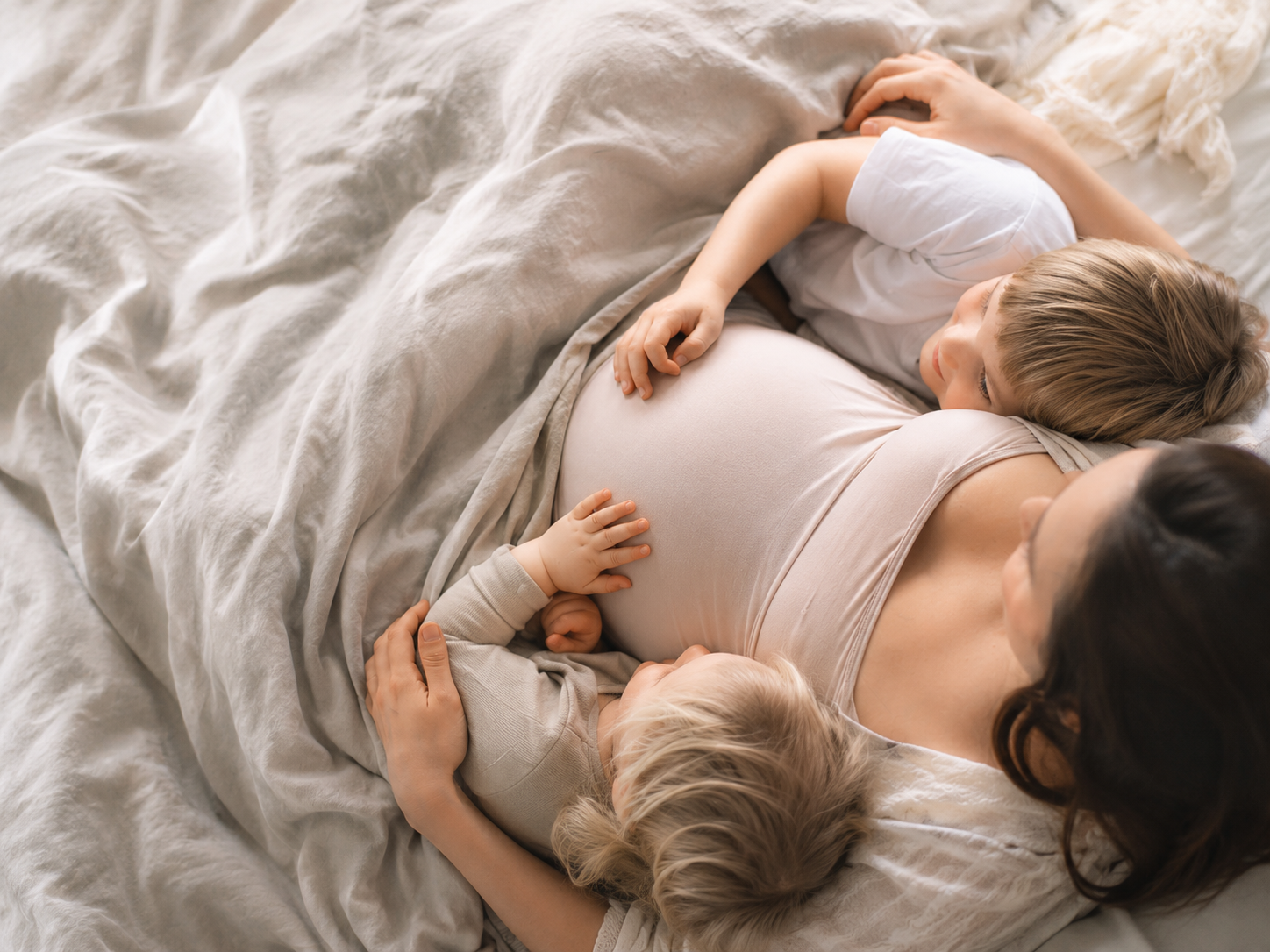

Pregnancy and early childhood are critical windows of vulnerability, where human development occurs at an unprecedented pace. During these periods, the body's detoxification systems are still developing, making even low-level chemical exposures more significant. This guide outlines why transitioning to a fragrance-free lifestyle is a powerful, science-backed step to protect your health and your child's future.
The Core Problem: Why Fragrance is a Concern
Products labeled as fragranced, including perfumes, lotions, air fresheners, and cleaning agents, are often complex mixtures of proprietary chemicals. Because fragrance formulas are protected as trade secrets, manufacturers are not required to disclose individual ingredients. Common additives include:
Phthalates. Phthalates such as diethyl phthalate are used as solvents to help carry scent. NIEHS lists phthalates among chemicals that may act as endocrine disruptors, and research has linked them to concerns such as preterm birth and ADHD.
Parabens. Parabens are used as preservatives. They have weak estrogen-like activity and were detected in over 70% of infant urine samples in one study.
Volatile Organic Compounds (VOCs). VOCs include chemicals like limonene and linalool, which can react with ozone in indoor air to form formaldehyde and other secondary irritants.
Synthetic musks. Synthetic musks are bioaccumulative chemicals that have been found in human blood, cord blood, and breast milk.
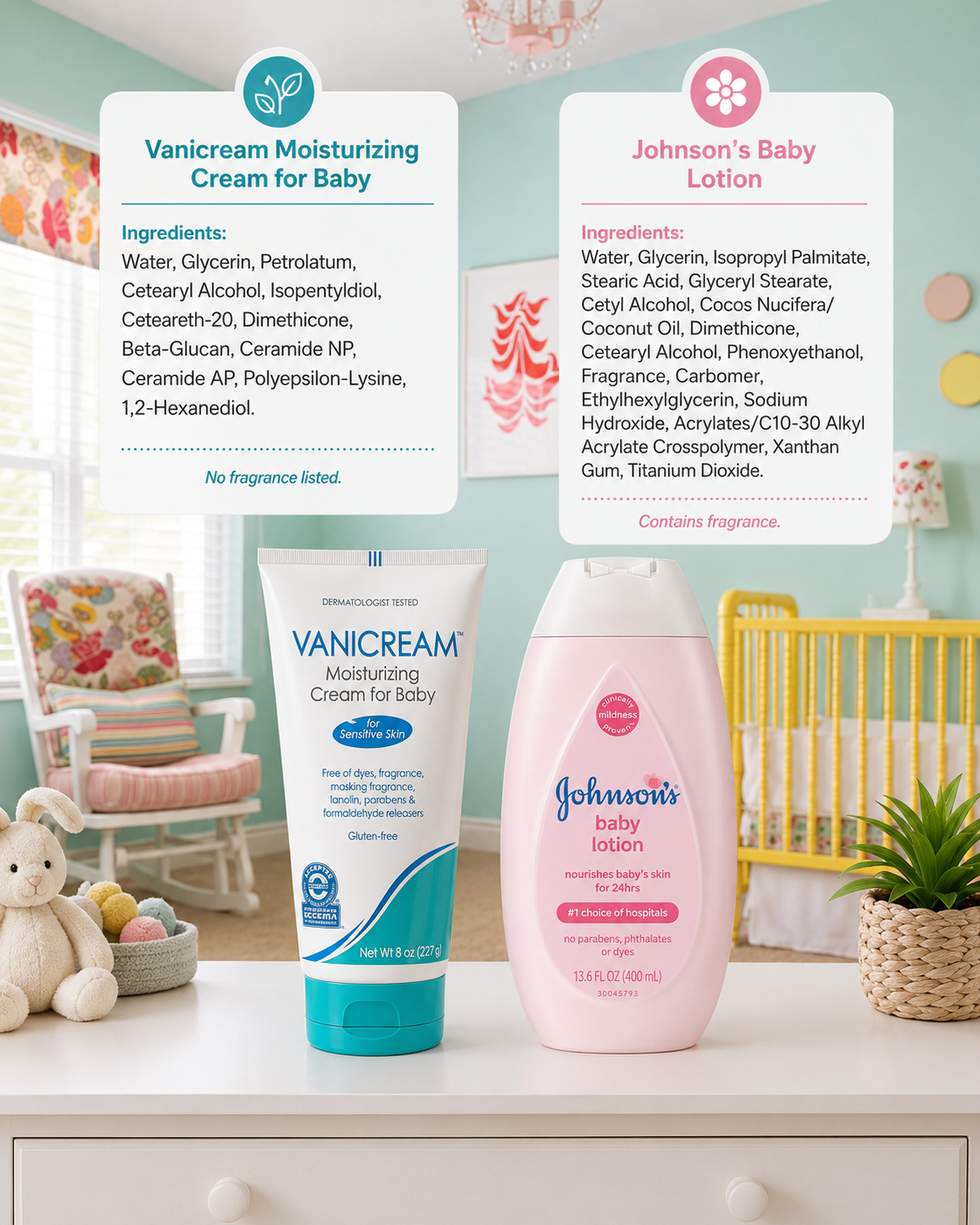
A simple label check tells the story: many baby products still list "Fragrance" among their ingredients, while fragrance-free formulas leave it out entirely.
Evidence of Impact: Pregnancy and Early Childhood
Scientific research consistently highlights links between chemical fragrance exposure and adverse developmental outcomes.
Birth outcomes. Exposure to certain phthalates during pregnancy was associated with a 14 to 16 percent greater likelihood of preterm birth.
Neurodevelopment. The highest prenatal exposure to DEHP, a common phthalate, was linked to nearly three times the odds of a childhood ADHD diagnosis, with potential impacts on executive function.
Respiratory health. Frequent early-life use of scented cleaning sprays and air fresheners has been associated with recurrent wheeze and childhood asthma in a large birth-cohort study.
Endocrine system. Fragrance-related endocrine-disrupting chemicals can disrupt maternal thyroid and sex-steroid hormones, which are essential for normal growth and fetal brain development.
How Fragrance Chemicals Enter the Body
Fragrance chemicals are not just smells. They are physical substances that enter the body through three primary routes.
Dermal absorption. The skin, especially that of a fetus or newborn, is highly permeable. In one study of one-to-three-month-old infants, those who had lotion applied in the previous week had urinary methylparaben concentrations about 355% higher (roughly 4.5-fold) than infants who had not.
Inhalation. When you spray perfume or use an air freshener, these chemicals enter the bloodstream through the lungs. Infants breathe more rapidly per pound of body weight, which can place them at higher risk of respiratory irritation.
Ingestion. This can occur through hand-to-mouth transfer, mouthing of scented toys, or residues left on surfaces.
Practical Action Plan: Creating a Safer Environment
You do not need to be perfect, but you can significantly reduce your chemical load by making simple, intentional swaps.
Personal Care
Choose fragrance-free products. Look for products explicitly labeled fragrance-free. Always check the ingredient list to make sure they do not contain hidden masking fragrances, since "unscented" products may still use scent to cover a base odor.
Audit your routine. During pregnancy and breastfeeding, prioritize fragrance-free cosmetics, shampoos, conditioners, lotions, and body products.
Protect the baby. Avoid scented baby wipes, lotions, and powders. Use fragrance-free, hypoallergenic products during the first year of life.
Home Environment
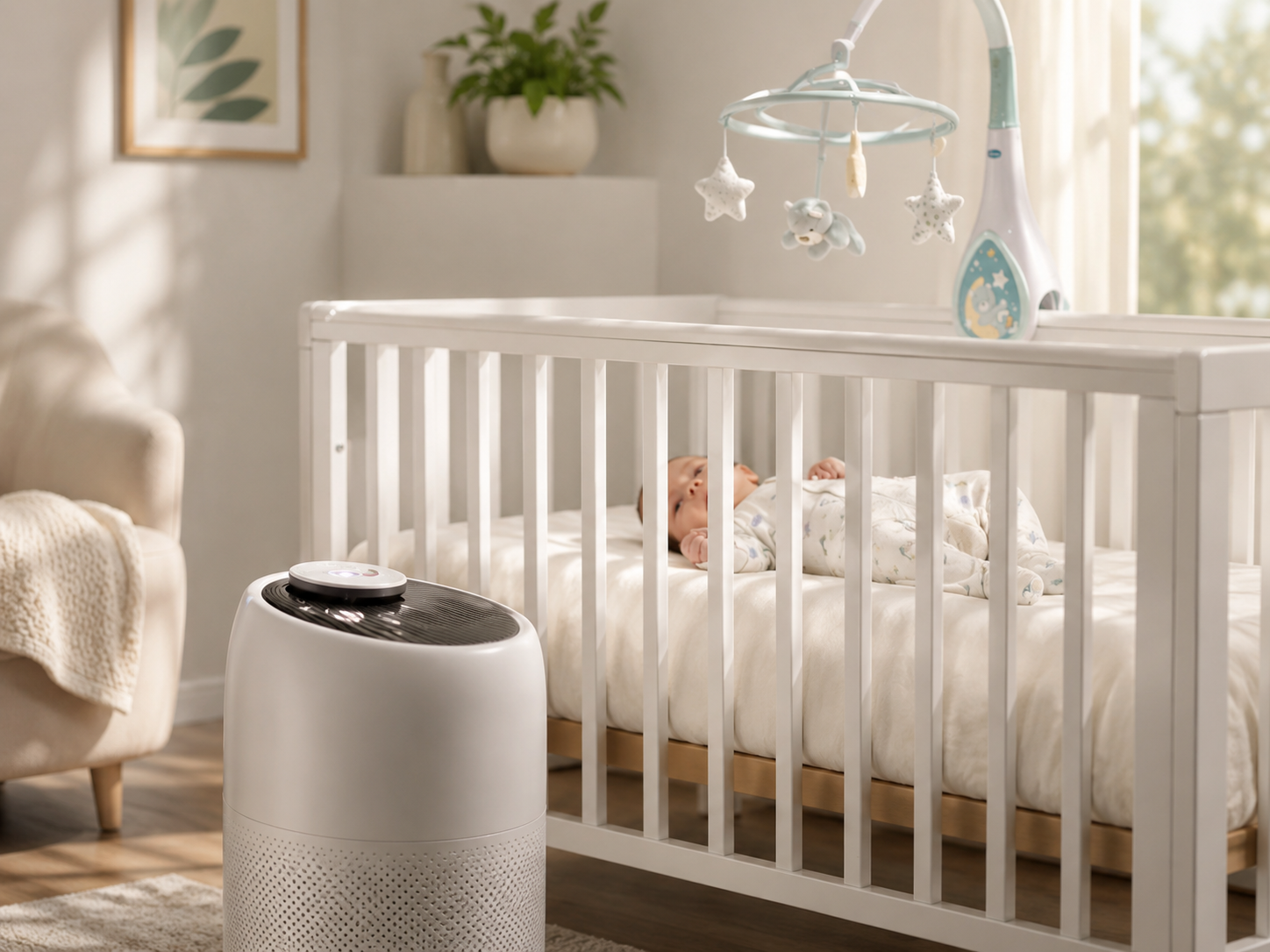
Ditch the air fresheners. Remove plug-ins, scented candles, incense, room sprays, and other constant sources of indoor fragrance.
Improve ventilation. Open windows when possible, especially when cleaning or bringing new products into the home.
Switch your laundry products. Use fragrance-free detergent and avoid fabric softeners, dryer sheets, scent beads, and laundry boosters, which often rely on heavy perfumes.
Wash new items first. Wash new clothes, bedding, blankets, and baby items before use to remove manufacturing chemicals and surface scents.
Shopping Smart
Read labels carefully. Avoid products listing "parfum" or "fragrance."
Use trusted resources. Consult databases like EWG's Skin Deep to research a product's ingredients, or look for certifications like Ecologo. You can also shop Fragrance Free Nation, where every product is already fragrance-free and essential-oil-free, and you can go further by excluding any other ingredient you want to avoid, such as specific preservatives or allergens, so you only see products that fit your family's needs.
Prioritize cleaner formulas. Many brands now explicitly label products as paraben-free, phthalate-free, dye-free, and fragrance-free.
Summary of Recommendations
For moms-to-be. Start now. Reducing your total body burden of endocrine-disrupting chemicals during pregnancy is one of the most effective ways to support fetal organogenesis and brain development.
For new moms. Infants are not mini adults. Their systems are still learning to process chemicals. By keeping their environment fragrance-free, you reduce unnecessary exposure during a critical stage of development.
While we cannot eliminate every environmental exposure, shifting to fragrance-free products is a high-impact, low-cost choice. The American College of Obstetricians and Gynecologists (ACOG) explicitly recommends selecting products labeled "fragrance-free" to reduce exposure to endocrine-disrupting chemicals such as phthalates. When you are ready to begin, you can explore our curated selection of fragrance-free household and personal care essentials to build a safer space for you and your baby.
Disclaimer: This guide is for informational purposes only and is not intended to diagnose, treat, or replace medical advice. The associations described come from scientific research and, in many cases, reflect correlations rather than proven cause and effect. If you have specific concerns about exposures during pregnancy or infancy, please consult your healthcare provider.
References
- National Institute of Environmental Health Sciences. Endocrine Disruptors. niehs.nih.gov/health/topics/agents/endocrine
- U.S. Food and Drug Administration. Phthalates in Cosmetics. fda.gov/cosmetics/cosmetic-ingredients/phthalates-cosmetics
- National Institutes of Health. Preterm birth more likely with exposure to phthalates (2022). nih.gov/news-events/news-releases/preterm-birth-more-likely-exposure-phthalates
- UNC Gillings School of Global Public Health. New study confirms link between maternal phthalate levels and risk of ADHD in children. sph.unc.edu
- Rylander C, et al. Young infants' exposure to parabens: lotion use as a potential source of exposure. Journal of Exposure Science & Environmental Epidemiology (2025). doi.org/10.1038/s41370-025-00756-4
- Parks J, et al. Association of use of cleaning products with respiratory health in a Canadian birth cohort. CMAJ. 2020;192(7):E154-E161. doi.org/10.1503/cmaj.190819
- Singer BC, Destaillats H, Hodgson AT, Nazaroff WW. Cleaning products and air fresheners: emissions and resulting concentrations of glycol ethers and terpenoids. Indoor Air. 2006;16(3):179-191. doi.org/10.1111/j.1600-0668.2005.00414.x
- Nazaroff WW, Weschler CJ. Cleaning products and air fresheners: exposure to primary and secondary air pollutants. Atmospheric Environment. 2004;38(18):2841-2865. doi.org/10.1016/j.atmosenv.2004.02.040
- Zhang X, et al. Occurrence and transport of synthetic musks in paired maternal blood, umbilical cord blood, and breast milk. International Journal of Hygiene and Environmental Health. 2015;218(1):99-106. doi.org/10.1016/j.ijheh.2014.08.005
- Yao HY, et al. Maternal phthalate exposure during the first trimester and serum thyroid hormones in pregnant women and their newborns. Chemosphere. 2016;157:42-48. doi.org/10.1016/j.chemosphere.2016.05.023
- Patel J, et al. Thyroid hormones and fetal neurological development. Journal of Endocrinology. 2011;209(1):1-8. doi.org/10.1530/JOE-10-0444
- Gore AC, et al. EDC-2: The Endocrine Society's Second Scientific Statement on Endocrine-Disrupting Chemicals. Endocrine Reviews. 2015;36(6):E1-E150. doi.org/10.1210/er.2015-1010
- American College of Obstetricians and Gynecologists. Committee Opinion No. 832: Reducing Prenatal Exposure to Toxic Environmental Agents (2021). acog.org