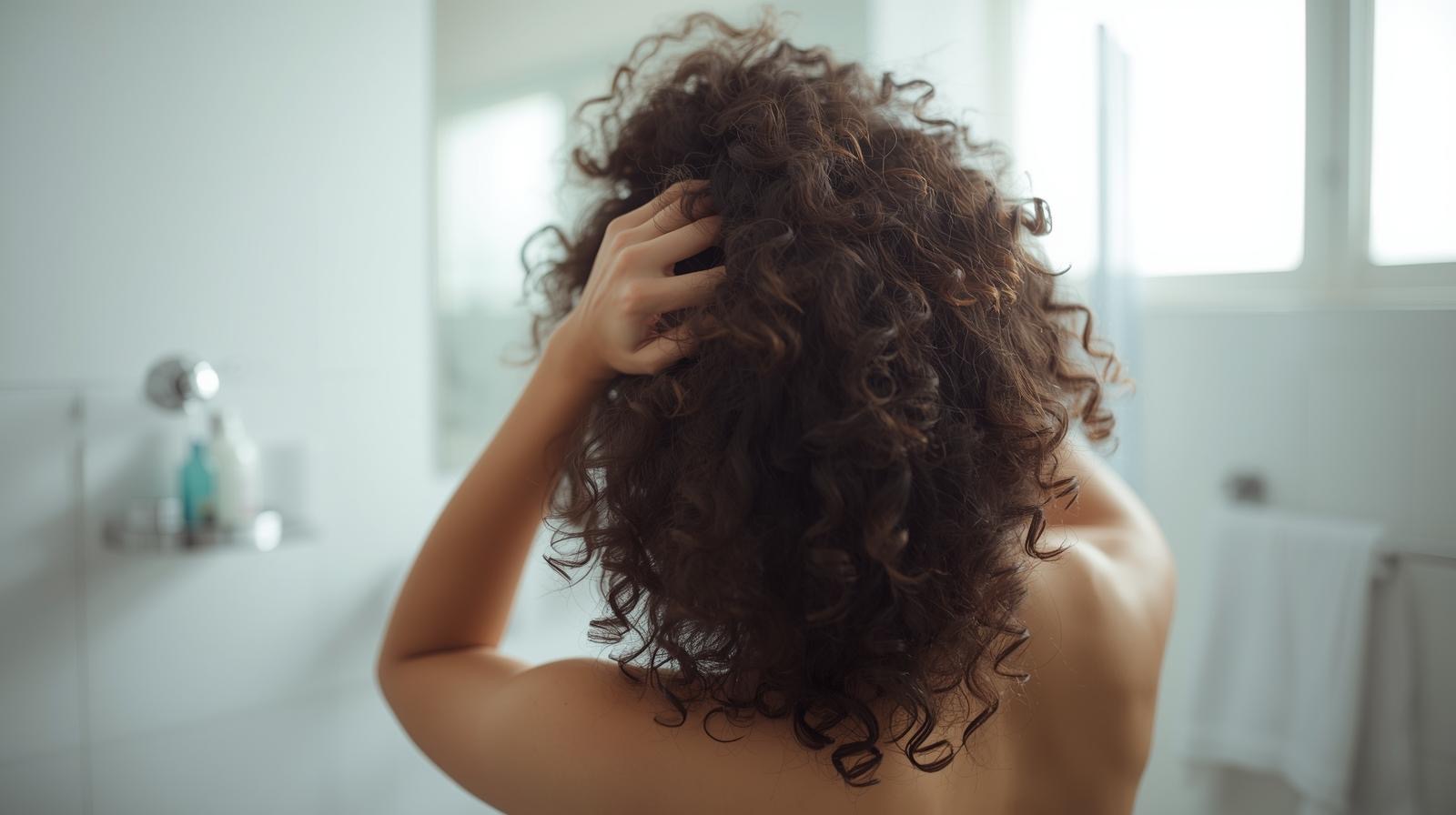

For many people, fragrance is simply part of the beauty experience. A pleasant scent in shampoo or conditioner can make wash day feel luxurious.
But for those with fragrance sensitivities, scented hair products can trigger a completely different experience — itching, burning, headaches, or scalp discomfort that seems to appear out of nowhere.
Hair products are one of the most common sources of fragrance exposure because they sit directly on the scalp and hair for extended periods of time. Understanding how fragrance works in cosmetic formulas can help explain why sensitive scalps often react.
Why Fragrance Is One of the Most Common Cosmetic Irritants
In cosmetic formulations, “fragrance” is often used as an umbrella term for a mixture of scent ingredients. A single fragrance blend may contain dozens or even hundreds of chemical compounds designed to create a specific scent profile.
While these ingredients are generally considered safe for the broader population, they are also among the most common triggers of cosmetic irritation and allergic reactions.
For individuals with sensitive skin or scent sensitivities, these compounds can cause:
-
itching or tingling on the scalp
-
redness or inflammation
-
dry or flaky patches
-
headaches or sinus irritation
Because hair products are applied directly to the scalp and often remain on the hair throughout the day, they can expose the skin to fragrance compounds for long periods of time.
The Difference Between Fragrance, Masking Fragrance, and Essential Oils
Understanding product labels can be confusing because fragrance ingredients may appear in several forms.
Fragrance
On ingredient labels, “fragrance” or “parfum” typically refers to a proprietary scent blend used to create a specific smell.
Masking Fragrance
Some products include masking fragrance, which is designed to neutralize or hide the natural odor of ingredients in a formula. Even though the goal is odor control rather than scent, masking fragrances still contain fragrance compounds.
Essential Oils
Essential oils are sometimes used as a natural alternative to fragrance. While they are plant-derived, they still contain aromatic compounds that create scent.
For individuals with fragrance sensitivities, essential oils can trigger the same types of reactions as synthetic fragrance ingredients.
Because of this, many people with sensitive scalps look for haircare products labeled fragrance-free and essential oil-free, rather than simply unscented or naturally scented.
Why Scalp Reactions Often Appear Hours Later
One of the confusing aspects of fragrance irritation is that reactions don’t always happen immediately.
Many people wash their hair, feel fine at first, and only notice symptoms several hours later.
This delayed reaction happens because irritation can develop gradually as the scalp continues to be exposed to fragrance compounds left behind on the hair and skin.
Over time, the scalp may begin to show signs of inflammation such as:
-
itching that develops later in the day
-
tight or dry scalp feeling
-
flaking that appears the following day
-
increased sensitivity after repeated use of a product
Because these reactions are delayed, it can be difficult to connect the irritation to a specific product.
Signs Your Hair Products May Be Irritating Your Scalp
If you experience scalp discomfort regularly, your hair products may be contributing.
Some common signs include:
-
itching shortly after wash day
-
scalp tenderness or sensitivity
-
redness around the hairline
-
persistent dryness or flaking
-
headaches or sinus discomfort triggered by scented products
While these symptoms can have many causes, fragrance exposure is a frequent factor for individuals with sensitive skin or scent sensitivities.
Why Sensitive Users Choose Fragrance-Free and Essential Oil-Free Haircare
For people who react to fragrance ingredients, reducing exposure can often help minimize irritation.
Fragrance-free haircare products are formulated without added synthetic fragrance or masking fragrances. Some may still contain essential oils, which can trigger reactions in sensitive individuals.
For those with sensitive scalps, choosing products labeled fragrance-free and essential oil-freecan make daily routines more comfortable while supporting healthy hair and scalp care.
Understanding how fragrance and essential oils affect sensitive scalps can help you make informed choices about the products you use. By selecting haircare that minimizes potential triggers, wash day can be a comfortable, healthy, and enjoyable part of your routine.